Stump Grinding in Roseville, CA
We grind stumps below the soil line so you can mow, plant or lay sod over the spot.
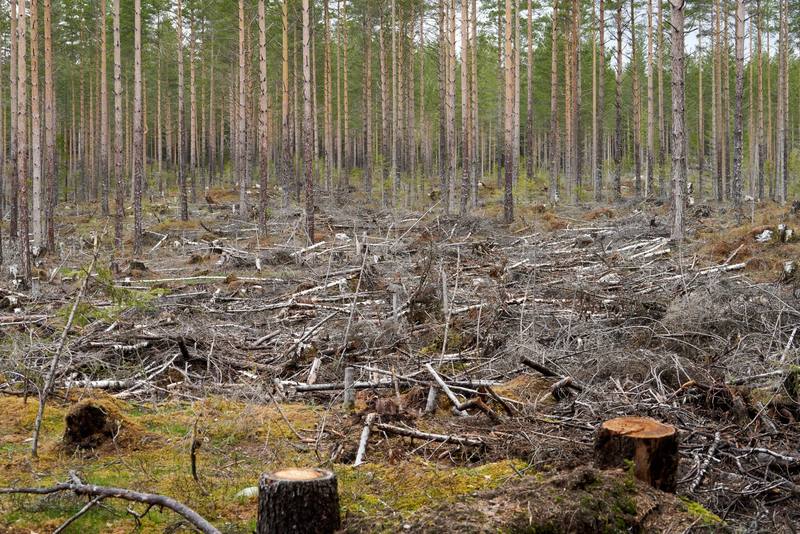
A leftover stump gets in the way of the mower, sends up new shoots and slowly rots where it stands. We grind stumps in Roseville and the towns around it. We will tell you plainly whether grinding fits your yard or whether full removal makes more sense for what you have planned.
What stump grinding actually does
Stump grinding uses a machine with a toothed wheel that spins against the wood and cuts the stump into chips. We move the wheel back and forth across the top until the stump sits below the soil line. The roots that run out from it stay in the ground and rot away slowly over the next few years.
Understand this before you book. Grinding takes care of the part you can see and trip over. It does not pull the whole root system out. For most yards that is fine, because the roots left behind are cut off from the trunk and break down on their own. If you plan to build, pour a slab or dig a trench where the tree stood, that changes things, and we cover it further down.
How deep we go depends on what you want to do with the spot. Grass needs a few inches of clean soil over the old wood. A new shrub bed needs more, and we can grind deeper and wider for that. Tell us what you plan for the space and we will set the depth to match.
Signs a stump is worth dealing with
Plenty of people leave a stump for years, and sometimes that is reasonable. These are the signs that it is time to grind it:
- New shoots keep sprouting from the stump or from the roots around it.
- The mower has to go around it, or someone has already caught a foot on it.
- You see mushrooms, soft wood or a hollow center, which means rot has set in and the stump may start drawing insects.
- There are ants or termite mud tubes on or near the stump, especially if it sits close to the house or a wood fence.
- You want to replant, lay sod or extend a patio and the stump is in the way.
Grinding versus full stump removal
We offer both, and they are different jobs. Grinding leaves the root mass in place. Full stump removal digs out the stump and the main roots, which leaves a much larger hole and disturbs more of the yard around it.
Grinding is the right choice for most residential stumps. It is quicker, it leaves the surrounding lawn and beds mostly intact, and you end up with a level patch ready for soil and seed. Full removal makes sense when something structural is going in at that spot, such as a footing, a driveway extension or a pool, or when a builder has asked for the roots to be gone.
Large surface roots fall in between. If thick roots run along the top of the lawn from the old tree, we can grind those too, so you are not left with ridges under the grass. Ask about root grinding when you book and we will look at them on the same visit.
What is different about stumps in Roseville
Roseville yards have a few things in common that affect how a grind goes. Many neighborhoods sit on dense clay soil that bakes hard through the long, dry summers. Hard ground does not stop the grinder, but the chips and soil come out heavy and backfilling takes a little more work. After winter rain the same clay turns soft, and we are careful moving equipment across a wet lawn so we do not leave ruts.
Oaks are the other big one. Native oaks are common around Roseville, and the city has rules that protect them. If the stump is from a native oak, check with the city about what applies to your property before any work starts. Oak is also dense and slow to grind, and oak roots spread wide, so these jobs usually take longer than a fruit tree or ornamental stump of the same size.
Most homes here have buried sprinkler lines and drip tubing running close to trees and beds. A grinder wheel will cut straight through PVC. Before we start, we ask you to show us where the irrigation runs, and we mark anything we find. Calling 811 to have buried gas, power and cable lines marked is a sensible step before any grinding, and it matters most for deeper work or full removal.
Access matters too. Many backyards in newer subdivisions can only be reached through a narrow side gate. Tell us the gate width when you call so we bring a machine that fits.
What a visit involves
When you call or send the form, we will ask how many stumps there are, roughly how wide each one is at ground level, what kind of tree it was if you know, and how we get to it. Photos help a lot. From there we can give you a quote.
On the day, we walk the area with you, confirm which stumps are going, and look for rocks, sprinkler heads, edging and anything else near the cut. Rocks buried in a stump are a real hazard for the machine and for anyone nearby, so we check for them first. Then we set up, grind the stump to the agreed depth, and grind any surface roots you asked for.
Expect noise and flying chips while the machine runs. Keep children and pets inside, and close nearby windows if the stump is close to the house. A single residential stump is often done in a short visit. Large oaks, or stumps in tight corners, take longer.
After the grind: chips, the hole and replanting
Grinding turns the stump into a pile of wood chips mixed with soil. You can use them as mulch in beds, but they are a poor base to plant into. Fresh wood chips pull nitrogen from the soil as they break down, so grass and new plants struggle in them. If you plan to seed or lay sod, we suggest clearing most of the chips and filling with topsoil.
Tell us what you want done with the chips before the visit so we can plan for it. The ground over the grind will settle as the remaining wood rots, so expect to top it up with soil after a season or two.
If you want a new tree, do not plant it exactly where the old one stood. Move it a few feet over so the new roots grow into clean soil, not old decaying wood. This matters even more if the old tree was diseased, so let us know if you suspect it was.
If you have a stump in Roseville or nearby, call (916) 010-0003 or use the Get a Stump Quote form and we will take it from there.
FAQ
Common questions about stump grinding
We grind most stumps a few inches below the soil line, which is enough for grass to grow over. If you want a shrub bed or garden in that spot, we can go deeper. Tell us your plan for the space and we will set the depth to match.
Grinding removes the stump, which cuts the roots off from the trunk. In most cases the remaining roots die and rot in the ground over time. Some trees send up shoots from the roots for a while afterward, and those can be cut back or ground out if they keep coming.
Grinding leaves a pile of chips and soil where the stump was. You can use some as mulch in beds, but fresh chips are a poor base for lawn or new plants. We will talk through what you want done with them when you book, so the visit is planned around it.
Often, yes. Tell us how wide the gate is and whether there are steps or slopes on the way in, and we will plan the right machine for it. Photos of the route help us give you an accurate quote.
Roseville has rules that protect native oaks, so check with the city about your property before any work on one. Once you know what applies, oak stumps can be ground like any other. Oak is dense and the roots spread wide, so these jobs usually take longer than other stumps of the same size.
Having buried utilities marked through 811 is a sensible step before any grinding. It matters most for deeper grinding, root grinding or full removal, where the work goes further into the ground. We also check for sprinkler lines and anything visible near the stump before we start.
Get Started
Send us a photo of the stump
Take a picture with something next to the stump for scale, tell us what you want in that spot, and we will get back to you with a quote. You can also call during business hours.