Stump Grinding in Citrus Heights, CA
We grind stumps, remove trees and clear roots for homeowners in Citrus Heights, from small front-yard stumps to old oaks in established backyards.
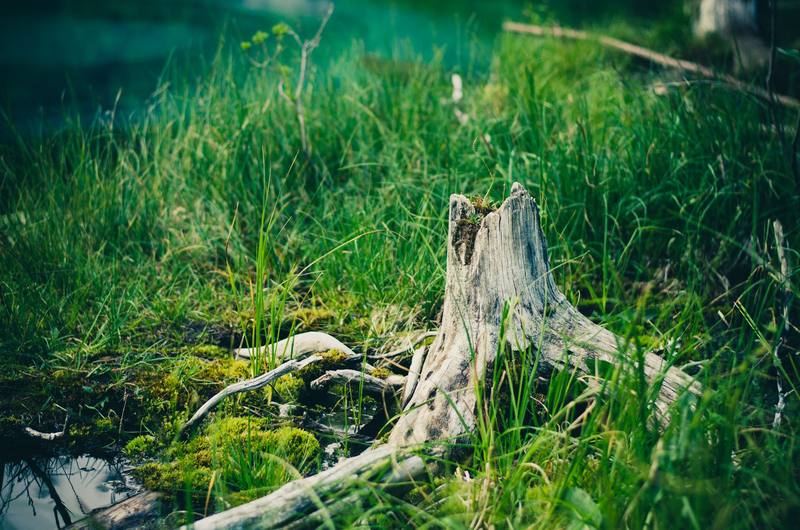
Many Citrus Heights yards have trees that were planted when the neighborhoods were built, and some of those trees are now coming down. A stump left behind takes up space, catches mowers and can sprout again. We can come out, look at what you have and tell you plainly what it will take to clear it.
What Citrus Heights yards tend to deal with
Much of Citrus Heights was built out as single-story ranch homes and modest two-story houses, with lawns in front, fenced backyards and trees planted along the drive or the back fence. Decades later, many of those trees have grown far bigger than anyone planned. Ash, sycamore, pine, liquidambar and mulberry are common, and so are native oaks that were there before the houses. When one of these trees dies or gets removed, the stump and its roots stay behind.
The climate shapes how those stumps behave. Summers are long, hot and dry, and most of the rain falls between late fall and early spring. A stump that sits through a few of those cycles dries and cracks on top while the roots below can stay alive, sending up suckers around the base. Some species, mulberry and liquidambar in particular, are known for this. Others slowly rot and draw termites and carpenter ants, which is not something you want a few feet from a wood fence or the side of the house.
Soil matters too. Many lots here sit on heavy clay that bakes hard in summer and turns sticky in winter. Roots spread wide and shallow in that kind of soil, so they often lift sidewalks, crack driveway edges and push against fence posts. On smaller lots with side yards between houses, the stump is often close to a fence line, a sprinkler line or a gas meter, and that changes how we approach it.
What to look at before you call
Start by measuring the stump across the top at ground level. A tape measure is fine. Then look at how tall it is, whether there are big surface roots running out from it, and what sits nearby: fences, walls, concrete, sprinkler heads and any lines marked on your property. If you know what kind of tree it was, that helps. If you do not, a photo is enough for us to make a good guess.
Grinding versus full removal is the main decision. Grinding takes the stump down below the surface and turns it into wood chips. It is quicker, leaves less of a hole and works for most yards where you plan to lay sod, plant a bed or just mow over the spot. Full removal pulls out the root ball and is usually only worth it when you plan to build, pour concrete or set footings right where the stump stood.
If the tree was a native oak, check with the City of Citrus Heights before any work on a living oak, since local rules may apply. A stump that is already cut is a different matter, but it is worth confirming if the tree is still standing.
Services available in Citrus Heights
We offer the same services here as across the rest of our area. Stump Grinding is the most common request: we grind the stump below grade so you can backfill and plant over it. Stump Removal takes out the stump and the main root mass for areas where you need clean soil. Root Grinding follows surface roots out from the stump, which helps when roots are lifting a path or getting in the way of a new garden bed.
Oak Stump Removal gets its own name because oak is dense and the stumps are often wide, so it takes more time and a careful plan near structures. If the tree is still standing, Tree Removal takes it down in sections where space is tight, and we can grind the stump on the same job. Tree Trimming covers dead limbs, branches over the roof and clearance from the house.
Lot Clearing is for larger jobs, such as an overgrown backyard or a lot with several stumps and brush. Storm Cleanup is for limbs and trees brought down by winter wind and rain. We handle those during our regular hours. We do not offer after-hours service, so if a tree comes down at night, keep clear of it and any wires and call us when we open.
What a visit looks like
We agree on a time that works for you. On site, we look at the stump, the roots around it, and what is close by. We ask about anything buried in the area, such as sprinkler lines, low-voltage lighting or drainage pipe. Before digging or grinding, utility lines need to be marked through the 811 call-before-you-dig service, and we will talk that through with you.
We also check access. Many Citrus Heights backyards are reached through a side gate, so we measure the gate width to see which machine fits. Then we explain what we recommend, how deep we plan to grind, and what you will be left with: a pile of chips and a shallow hole, or a backfilled spot ready for soil. You get a quote in plain terms before any work is booked.
On the day, we protect nearby surfaces where we can, grind the stump and roots to the agreed depth, and clean up the area. Chips can stay for you to use as mulch or fill, or we can take them away. If we find something unexpected under the surface, like old concrete or a buried pipe, we stop and talk with you before going further.
How to book in Citrus Heights
Call us at (916) 010-0003 or email info@stumpgrindingroseville.com. We work Monday to Friday from 7:00 AM to 7:00 PM and Saturday from 8:00 AM to 5:00 PM, and we are closed on Sunday. Tell us roughly how many stumps you have, how wide they are and whether there is gate access, and we will set up a time. A couple of photos help a lot.
Stumps can be ground at almost any time of year here. Many people book in late winter or spring so the spot is ready to plant, and the soil is usually softer and easier to work after the rains. Along with Citrus Heights, we work in Roseville, Antelope, Orangevale, Fair Oaks, Rocklin and the other nearby cities we serve.
About Citrus Heights: Citrus Heights, CA on Wikipedia · Citrus Heights on Google Maps
Services
Services in Citrus Heights, CA

Stump Grinding
Stumps ground below grade so you can plant, sod or pave over the spot.
Learn more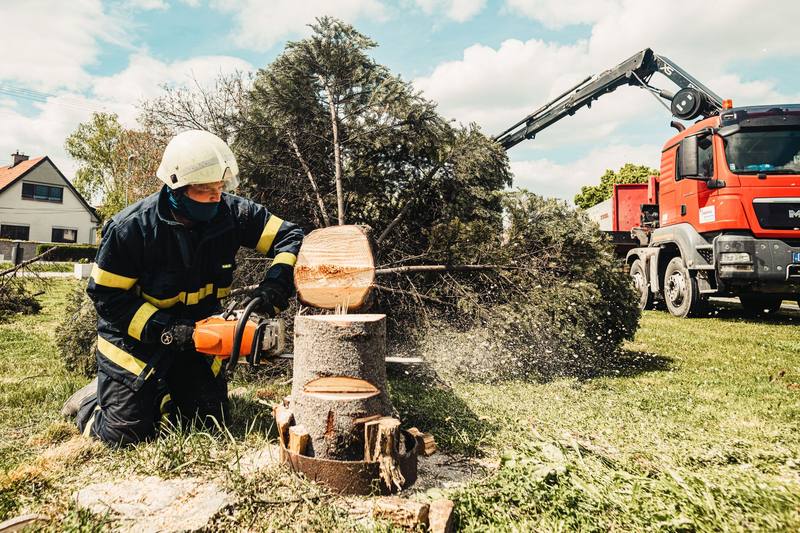
Stump Removal
Full stump and root ball extraction where a new structure, driveway or utility line is going in.
Learn more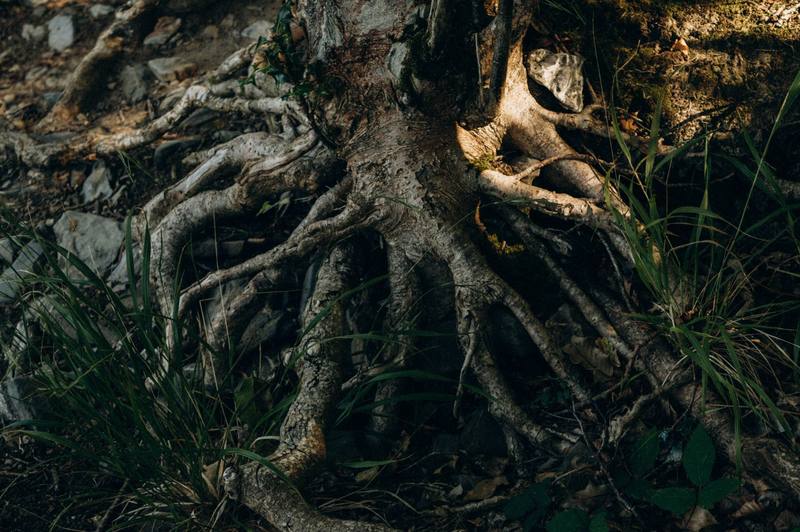
Root Grinding
Surface roots that lift walks, patios and lawns ground down and cleaned up.
Learn more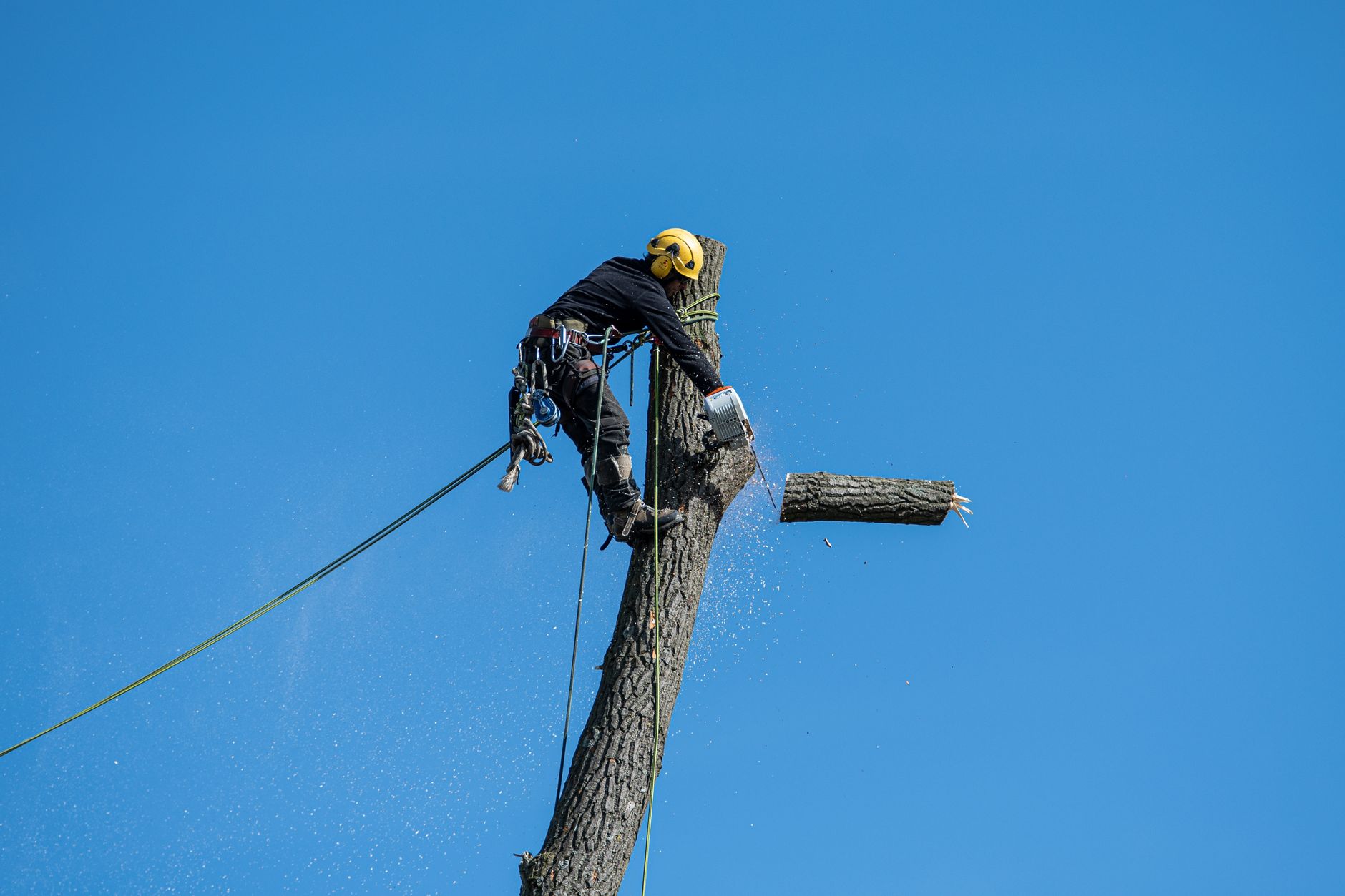
Tree Removal
Dead, leaning or in-the-way trees taken down in sections and hauled away.
Learn more
Tree Trimming
Crown cleaning, deadwood removal and clearance from roofs and lines.
Learn more
Lot Clearing
Brush, small trees and stumps cleared from lots and fence lines.
Learn more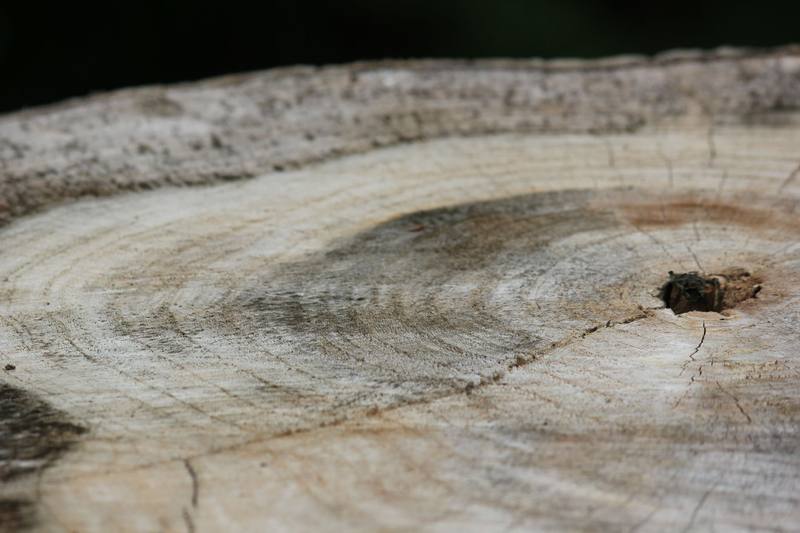
Oak Stump Removal
Grinding and removal for dense oak stumps and their wide surface roots, in Roseville and the towns nearby.
Learn more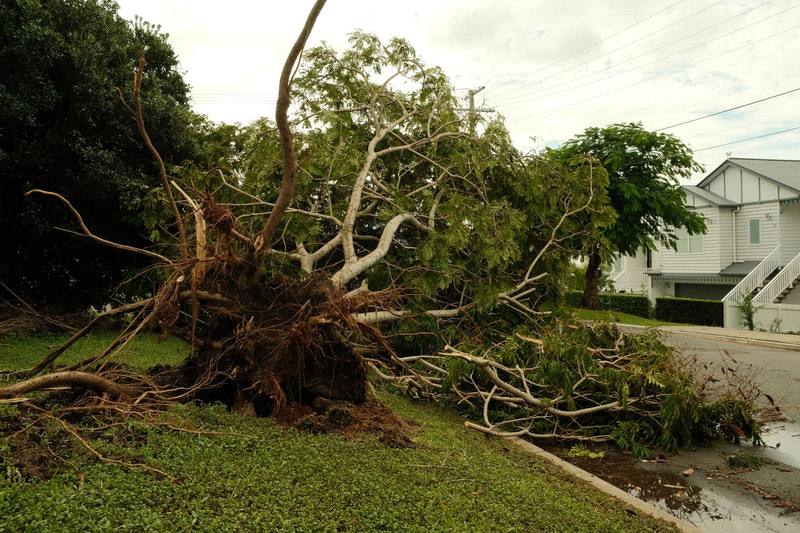
Storm Cleanup
Fallen limbs and uprooted trees cut, cleared and the stumps ground after a storm.
Learn more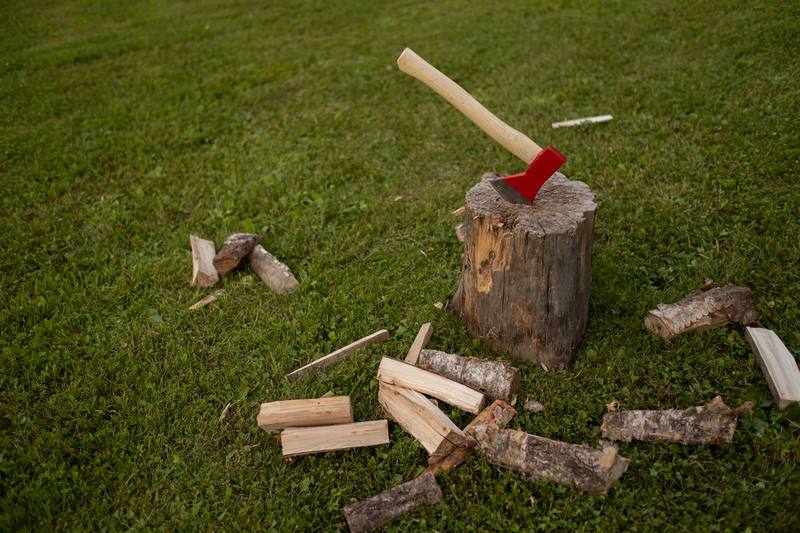
Get Started
Send us a photo of the stump
Take a picture with something next to the stump for scale, tell us what you want in that spot, and we will get back to you with a quote. You can also call during business hours.