Oak Stump Removal in Roseville, CA
Grinding and removal for dense oak stumps and their wide surface roots, in Roseville and the towns nearby.
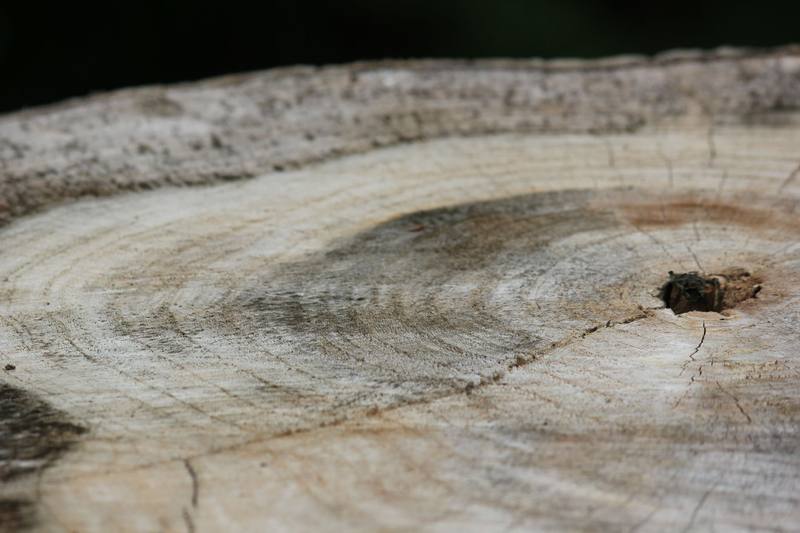
Oak stumps are bigger, harder and wider-rooted than most stumps we grind. We look at the stump, the roots and the space around it, then tell you plainly whether grinding or full removal makes sense. If you plan to take out a living oak, we will also suggest you check the city's rules first.
Why an oak stump is a different job
Oak is dense, heavy wood. A valley oak or live oak stump is often wider than it looks at ground level, with buttress roots that flare out a foot or two before they turn down into the soil. Most of the grinding time goes into that flare. Oak is also hard on equipment. Grinder teeth dull faster in oak than in pine or a fruit tree, and old oaks sometimes hide things in the trunk: fence wire, nails from an old clothesline, rocks the tree grew around.
Oaks also root differently from many yard trees. They tend to send roots wide and shallow through the top couple of feet of soil, often well past the edge of the old canopy. So removing an oak stump is not only about the stump. It is also about how far the surface roots run and whether they are lifting a path, a patio or a lawn edge.
What to look for before you call
A few things are worth checking before anyone comes out. They help you understand what kind of job you have, and they help us give you a useful answer on the phone.
- How wide the stump is at the ground, measured across the widest point including the root flare.
- What sits within a few feet of it: a fence, a driveway, a sprinkler line, a buried electric or gas line, a foundation.
- Whether the stump is still sending up sprouts. Live oaks in particular can push up shoots from the roots for a long time.
- Soft, crumbly wood, white fan-shaped growth under the bark, or clusters of honey-colored mushrooms at the base in the wet months. These can point to oak root fungus.
- Whether the ground is sinking in spots where old roots are rotting out.
Grinding or full removal
For most oak stumps, grinding is the sensible choice. We grind the stump and the main root flare down below the soil line and leave the deeper roots to break down in the ground. It is quicker, it disturbs less of your yard, and it leaves a mix of wood chips and soil that you can rake out, reuse as mulch or have taken away.
Full removal means digging out the root ball. It makes sense when you are building over the spot, pouring a slab, putting in a pool or setting footings, and you need clean soil rather than chips and decaying roots. It can also make sense when a diseased oak has left a root system you want out of the ground. Full removal of a large oak is a much bigger job. It leaves a sizeable hole that needs backfill and compaction, and it can disturb anything close by.
In between the two, root grinding follows the surface roots out from the stump and grinds them where they are lifting pavers or making the lawn uneven. We will tell you which approach fits once we have seen the stump and what is around it.
Oaks, permits and city rules
Roseville, like many cities in Placer and Sacramento counties, has rules that protect native oaks. If the tree is already down and only the stump is left, those rules usually matter less. If you are planning to remove a living oak, or a large oak still stands next to the stump, check with the city's planning or arborist staff before any work starts. Size limits, permits and replacement planting rules vary from city to city and change over time. We can tell you what questions to ask, but the city makes the decision.
It is also worth checking with your HOA if you have one. Many subdivisions around Roseville have landscape rules that cover tree work and what gets planted afterward.
What a visit involves
We start by looking at the stump, the ground around it and how we can get a machine to it. Access matters a lot in Roseville yards. Many homes have side yards with a narrow gate, a sloped path or a block wall, and that decides which grinder can reach the stump. If you know your gate width, tell us when you call.
On the day, we clear loose rock from around the stump, set up guards to keep chips away from windows and cars, and grind the stump and flare down. Then we work on any surface roots we agreed to take out. When we finish, you have a pile of chips and soil where the stump was, and we will talk with you about whether to leave it or clear it.
A large oak stump takes longer than most other stumps, so plan for some noise. Keep children and pets indoors while the grinder is running.
Roseville soil and yards
Many Roseville neighborhoods sit on heavy clay soil, often with hardpan below it. Clay holds water through the winter and bakes hard in the summer heat. That affects stump work in two ways. After a run of winter rain, the ground can be too soft to cross a lawn with a machine without leaving ruts. In late summer the soil is dry and firm, which is easier on the lawn but makes the work dustier. We will tell you if your yard is better done at a different time.
The kind of house matters too. Older streets near downtown and along Dry Creek often have mature oaks that were there long before the homes were built, and their stumps can be very large. Some newer subdivisions were built around existing oaks, so stumps there tend to sit close to fences, patios and irrigation lines. Each of those situations changes how we set up and how careful the grinding needs to be.
After the stump is gone
Oak root fungus is the main reason to think before you replant. It can live on old oak roots for years after the tree is gone and spread to other plants, including fruit trees, roses and new trees put in the same spot. If the old oak showed signs of it, avoid planting susceptible plants right over the old root zone, and ask a local nursery or arborist about resistant choices.
If you want lawn or plants where the stump was, fill the hole with topsoil rather than chips alone. Chips settle as they rot, and they draw nitrogen from the soil while they break down. Expect some sinking over the first season or two and top it up as needed.
If other native oaks still stand nearby, keep summer irrigation away from their trunks. These trees are suited to dry summers, and regular watering close to the trunk invites root rot.
FAQ
Common questions about oak stump removal
If the tree has already been cut down, the stump on its own is usually not the issue. Permit rules tend to apply to removing living native oaks above a certain size. Check with the City of Roseville before removing any living oak, since the rules and size limits can change.
We grind below the soil line, deep enough that you can cover the spot with topsoil and grow grass or a small bed. If you plan to build or plant something larger there, tell us first. We will talk through whether deeper grinding or full removal makes more sense.
Some live oaks send up shoots from the roots after the stump is gone. These usually weaken and stop once the stump is ground, but you may need to cut back a few sprouts for a season. Grinding the main surface roots as well helps.
Often, yes. We check gate width, slopes and steps before the job so the machine we bring fits the access. Tell us the gate width when you call and we can tell you what to expect.
You can, but it is better to plant a few feet to one side of the old stump. The ground over the old root ball settles as the roots rot. If the oak had oak root fungus, many plants will struggle in that spot.
Get Started
Send us a photo of the stump
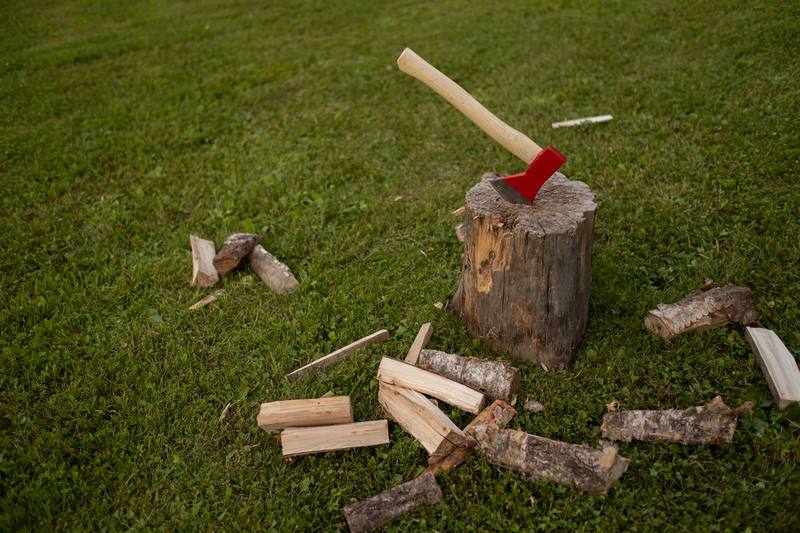
Take a picture with something next to the stump for scale, tell us what you want in that spot, and we will get back to you with a quote. You can also call during business hours.