Will a ground stump grow back?
Usually not, because grinding removes the part of the stump that makes new shoots, but a few kinds of trees can still sprout from roots left in the ground.
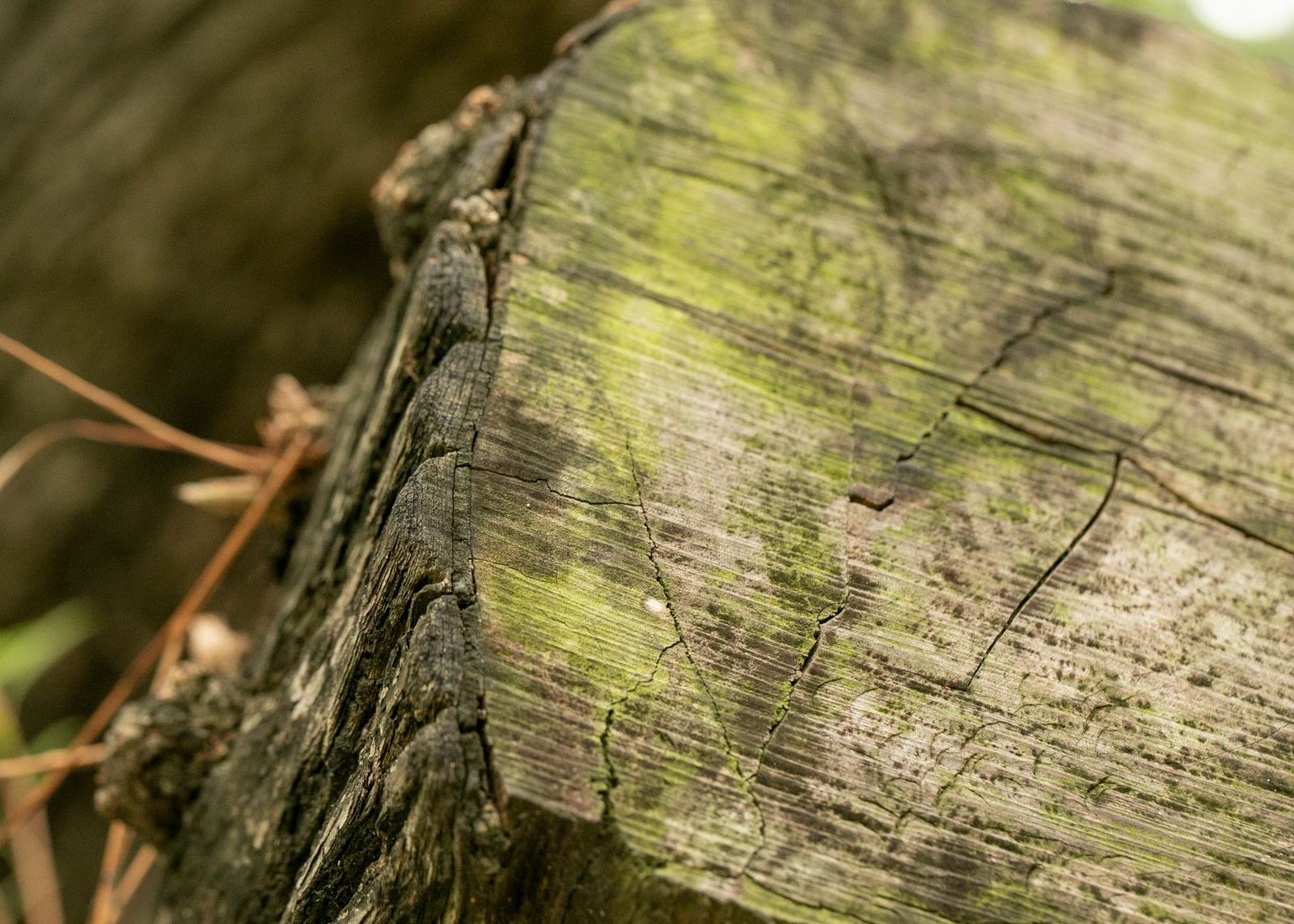
It is a fair question to ask before you pay to have a stump ground. Most ground stumps stay gone, but some trees are stubborn and send up new shoots from their roots. Here is how to tell which kind you have in your Roseville yard and what to do if green shoots appear.
The plain answer
In most cases, a ground stump does not grow back. When a stump is ground down below the soil, the grinder takes out the trunk base and the wood just under it. That is where most trees keep the buds that would push out new growth after the tree is cut. Once that wood is chips, most trees have nothing left to grow from, and the roots slowly die off and rot in the soil.
There is one real exception. Some trees can grow new shoots straight from their roots, not just from the stump. These are often called root suckers. If you grind a stump from one of these trees, the stump will not come back, but small shoots can still come up from roots left in the ground. Sometimes they show up a few feet from where the trunk stood, in the lawn or a flower bed. So the honest answer is that the stump itself almost never comes back. A few species can keep sprouting from their roots for a season or two.
What changes the answer on a real property
The type of tree matters more than anything else. Pines, cedars and most other conifers do not resprout once the trunk is cut, ground or not. Many broadleaf trees are a different story. Poplars, cottonwoods, willows, tree of heaven, black locust, some elms, callery pears and sweetgums are known for suckering from their roots. Younger oaks can also put up sprouts from a fresh stump, which is something to keep in mind in the Roseville area, where oaks are common in older lots and along creeks.
How deep and wide the grinding went also counts. A stump ground just level with the grass leaves live wood and buds behind. A stump ground well below the surface, with the large surface roots around it ground out as well, leaves far less to sprout from.
Timing plays a part too. A tree cut down last week still has a lot of stored energy in its roots. A stump that has sat for a year or more has usually used most of that up, and it is less likely to throw up shoots after grinding.
Water is the last piece. Roseville summers are hot and dry, so roots that would otherwise give up can stay alive under a lawn sprinkler or drip line. A stump in a watered lawn is more likely to sucker than the same stump at the dry edge of a back fence.
What you can check yourself
Start by finding out what the tree was. If you have a photo of it with leaves, or a neighbour has the same tree, that answers most of the question. If the tree is already gone, look at the bark on the stump and any leaves in the area.
Next, look at the ground around the stump. If you see small green shoots coming up in a ring around the trunk or along a line where a big root runs, the tree is a suckering type and the roots are still alive. A few shoots are common before grinding and do not mean grinding will fail. They do tell you the roots will need some follow-up.
After grinding, give the area a few weeks before you plant anything. Walk the spot every week or so. If shoots appear, cut or pull them as low as you can, as soon as you see them. Every time a shoot is removed before it grows leaves, the root loses energy it cannot get back. Most homeowners find the shoots stop within a season if they stay on it.
It also helps to turn off or move any sprinkler that soaks the old stump spot. Less water means the roots give up sooner.
When it needs a professional
Some situations are worth a call. If shoots keep coming back after a full season of cutting them, there is probably a large live root still close to the surface. If shoots are coming up near a foundation, a patio slab, a pool or a driveway, you want the roots dealt with properly before they cause other trouble. If the tree was large and the stump was only ground to grass level, it may simply need to go deeper.
A visit is straightforward. We look at the stump or the old stump spot, ask what the tree was, check where shoots are coming up and look for gas, water and irrigation lines before any work starts. Then we tell you what we would do and why. Sometimes the answer is that the roots are already dying and you only need to keep cutting shoots for a few more weeks. We will say so when that is the case.
How this relates to stump grinding and root grinding
Stump Grinding takes care of the stump itself, and for most trees in Roseville that is the end of it. The grinder works the stump down below the surface, and the chips can be used to fill the hole or hauled away so you can add soil and plant grass or a new bed.
For trees known for suckering, Root Grinding is often the better fit. We follow the main surface roots out from the stump and grind them too, which removes much of the live wood that would otherwise send up shoots. This is also useful when roots are lifting a lawn or getting in the way of a new planting.
If you are not sure which one you need, tell us what the tree was and where you have seen shoots. That is usually enough for us to give you a straight answer before we come out.
Related questions
Yes, but it is better to plant a little to one side of the old stump spot. The ground wood chips break down slowly and can pull nitrogen from the soil while they rot. Clearing out most of the chips and adding fresh soil gives a new tree a better start.
For most trees, yes. Once the stump is ground out, the roots have no way to make leaves and they die and rot over time. Trees that sucker from their roots can keep pushing shoots for a while, but cutting those shoots as they appear will wear the roots out.
It depends on the size of the tree, the type of wood and how wet the soil stays. Smaller roots break down faster than the big ones near the old trunk. You may notice the ground settle a little over time as the roots rot, which can be topped up with soil.
We do not recommend spraying without knowing what else shares the root zone. Roots of neighbouring trees and shrubs can be close by, and some products can affect them. Cutting shoots low and often is safe and works well for most homeowners.
Services
How we can help in Roseville
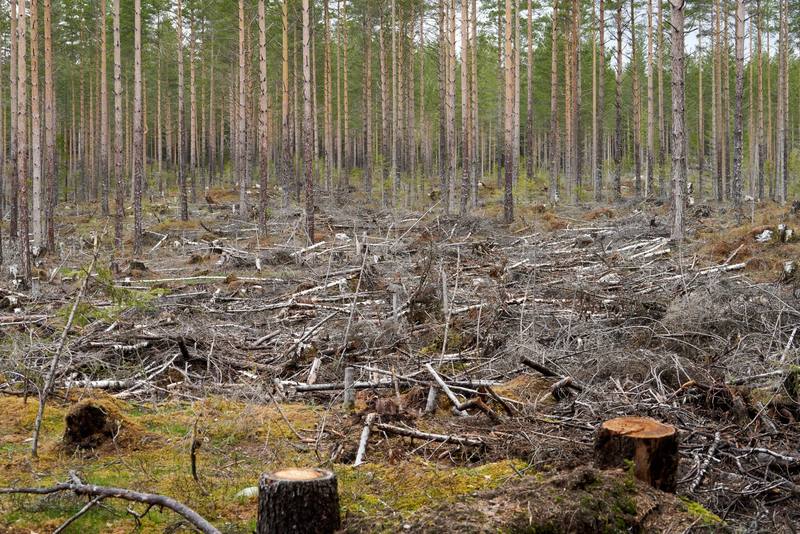
Stump Grinding
Stumps ground below grade so you can plant, sod or pave over the spot.
Learn more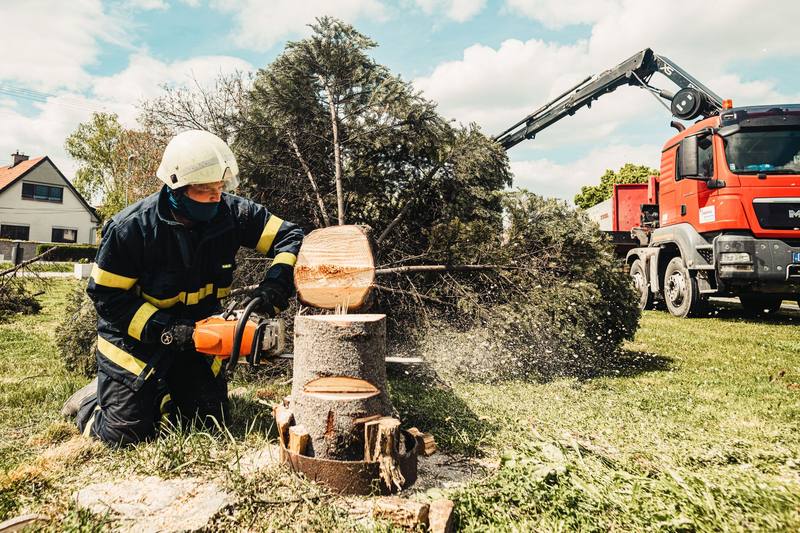
Stump Removal
Full stump and root ball extraction where a new structure, driveway or utility line is going in.
Learn more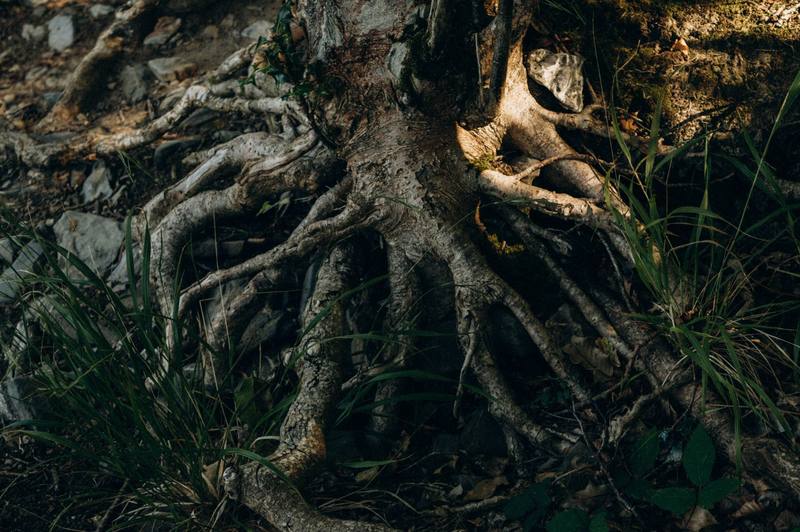
Root Grinding
Surface roots that lift walks, patios and lawns ground down and cleaned up.
Learn more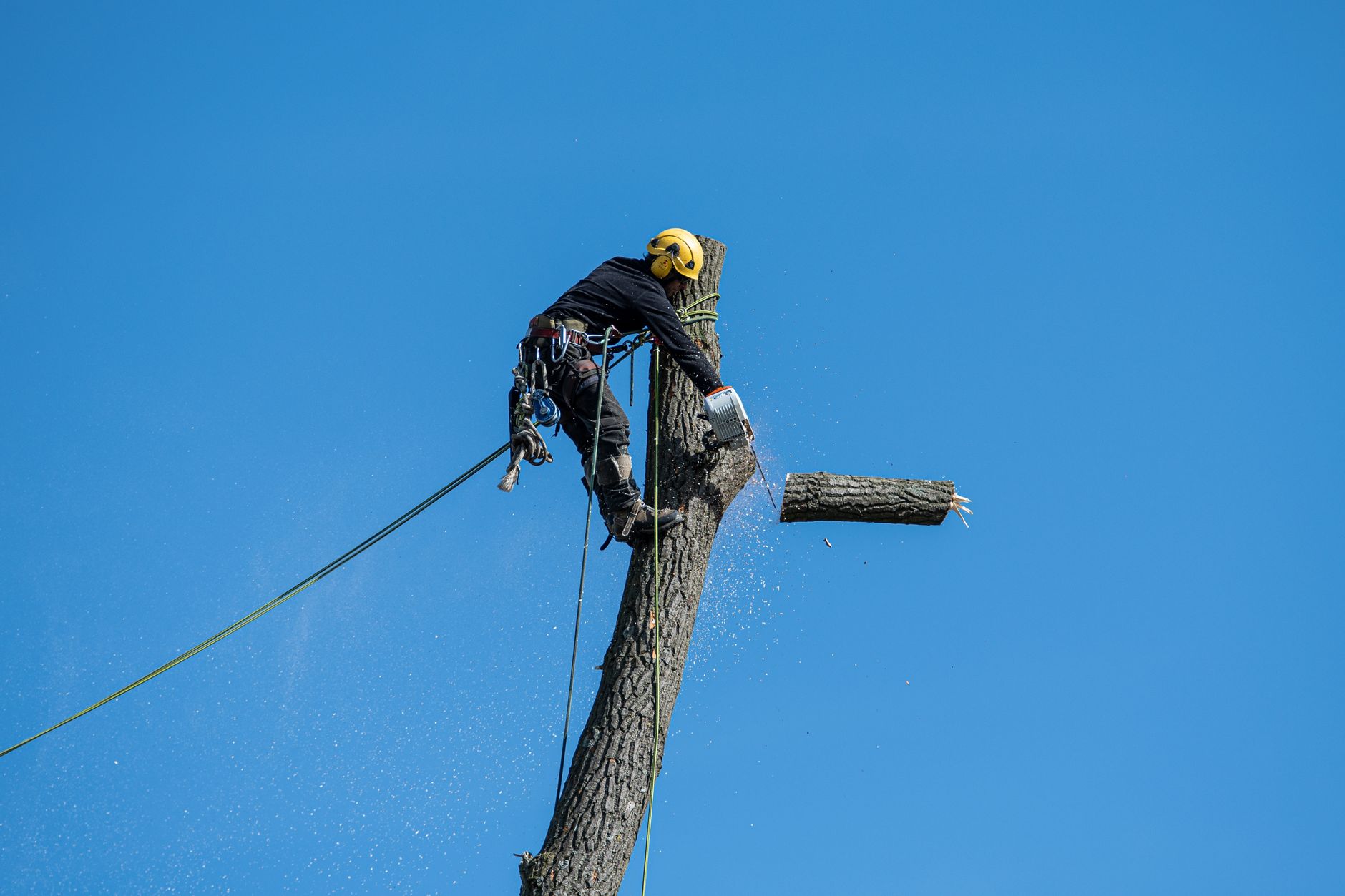
Tree Removal
Dead, leaning or in-the-way trees taken down in sections and hauled away.
Learn more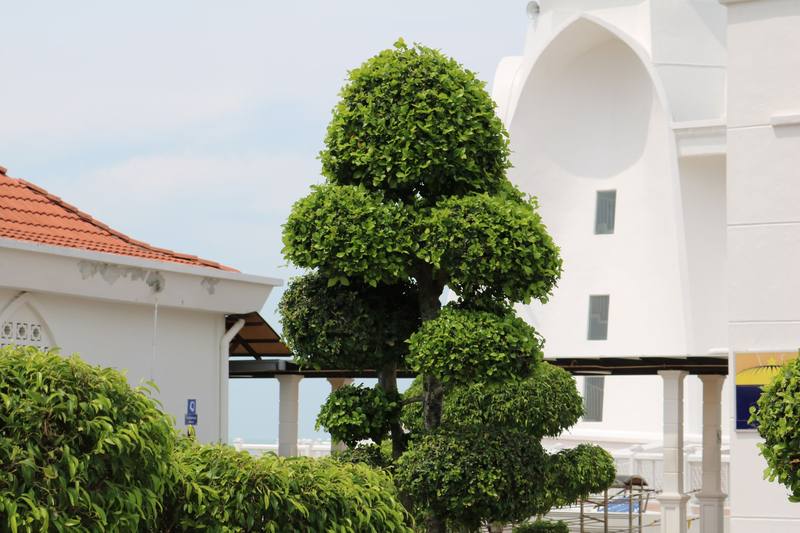
Tree Trimming
Crown cleaning, deadwood removal and clearance from roofs and lines.
Learn more
Lot Clearing
Brush, small trees and stumps cleared from lots and fence lines.
Learn more
Oak Stump Removal
Grinding and removal for dense oak stumps and their wide surface roots, in Roseville and the towns nearby.
Learn more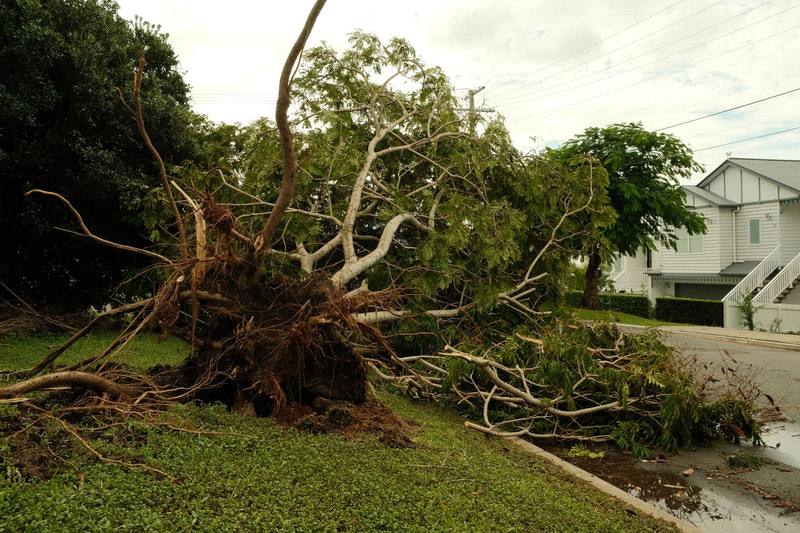
Storm Cleanup
Fallen limbs and uprooted trees cut, cleared and the stumps ground after a storm.
Learn more
Get Started
Send us a photo of the stump
Take a picture with something next to the stump for scale, tell us what you want in that spot, and we will get back to you with a quote. You can also call during business hours.