Who do I call to remove tree limbs?
For limbs near power lines you call the electric utility; for everything else, call a tree service that does trimming and removal, and for small limbs you can reach from the ground, you may not need anyone.
Most homeowners in Roseville ask this after a windy night or when a branch starts rubbing the roof. Who you call depends on where the limb is, how big it is and what it could hit on the way down. Here is how we would sort it out if you were our neighbour.
The short answer
If a limb touches or hangs over a power line, call the electric utility first, not a tree service. Lines that run from pole to pole are their responsibility, and they have crews trained to work near live wires. Do not touch the limb, the line or anything in contact with it.
If the limb is in your yard and clear of lines, call a tree service that does trimming and removal. That covers most cases: a dead branch over the driveway, a limb resting on the roof, a split leader on an oak, or branches crowding the house.
If the limb is small, already on the ground or can be cut from the ground with a hand saw or pole pruner, you can often handle it yourself. Your city's green waste pickup will usually take the cut pieces if you cut them to the length it asks for.
What changes the answer on a real property
The same branch can be a weekend chore on one lot and a job for a crew on another. A few things decide it.
Height is the first. Once a cut means standing on a ladder with a saw, the risk goes up quickly. Ladders on uneven ground, a branch that swings back when it is cut, and a running saw above your head are how most homeowner injuries with trees happen.
What is underneath matters just as much. A limb over open lawn can be dropped in pieces. A limb over a roof, a fence, a pool, a neighbour's yard or a parked car has to be lowered in a controlled way, often with ropes, so nothing gets damaged.
The size and weight of the limb change things too. A branch as thick as your arm is manageable. A limb as thick as your leg weighs far more than it looks, and it can bend or roll as it comes down.
In Roseville, many neighbourhoods have mature valley oaks and other native oaks. Work on protected native oaks can need a permit from the city before you cut, and the rules depend on the size of the tree and the cut. If the limb is on an oak, check with the city or ask us before anyone starts. Homes along greenbelts and open space can also have trees that sit on shared or city land, so it is worth confirming whose tree it is.
What you can check yourself
You can learn a lot from the ground with your eyes and a pair of binoculars. Walk around the tree and look up.
Things worth noting before you call anyone:
- Whether the limb is near any wire, including the smaller lines that run from the pole to your house.
- Dead wood: branches with no leaves in season, bark falling off, or a grey, dry look compared with the rest of the tree.
- Cracks or splits where the limb meets the trunk, especially on trees with two main stems growing in a tight V.
- Hangers: broken branches caught in the canopy that have not fallen yet. These are dangerous and should not be pulled down by hand.
- Limbs touching the roof, gutters or siding, and how far they are from the house in a wind.
- Fungus, soft spots or hollow areas near the base of the limb or the trunk.
When it needs a professional
Call a tree service if the cut needs a ladder or climbing, if the limb is over anything you would not want to replace, or if the branch is cracked and under tension. A limb that is partly broken holds stored energy, and it can spring or twist when the wood fibres let go.
Call right away, during business hours, if a large limb has come down on the house or is resting on the roof. Keep people and pets away from the area under it. If it is touching a line, stay well back and call the utility.
Also call if you are not sure the tree is healthy. Sometimes a falling limb is the first sign that the tree itself has a problem, and it is better to know that before the next storm than after.
A visit from us is simple. We look at the limb and the tree from the ground, check what is below it and how we would get equipment in, and explain what we would cut and why. You get a clear quote before any work starts, and we clean up and haul away what we cut.
How this fits with the work we do
Removing limbs is part of our Tree Trimming service. We take out dead, broken and crowding branches, lift limbs off roofs and driveways, and thin trees so wind moves through them more easily. Where an oak is involved, we keep the cuts conservative and talk through any permit question with you first.
After winter wind and rain, a lot of our calls are Storm Cleanup: limbs down across yards and fences, hangers left in the canopy, and debris to haul away. If a storm has brought down an entire tree, we can remove it and grind the stump so the ground can be replanted or used again.
Our hours are Monday to Friday, 7:00 AM to 7:00 PM, and Saturday, 8:00 AM to 5:00 PM. We do not offer after-hours service, so for anything touching a live wire at night, call the utility.
Before you call
A few photos help a great deal. Take one of the whole tree, one of the limb you are worried about, and one showing what sits underneath it. Tell us roughly how tall the tree is, whether it is an oak, and whether a truck can reach the backyard or if the gate is narrow.
With that, we can usually tell you on the first call whether it is a small job, something you could do yourself, or work that needs a crew. If it is the last of those, we will set up a time to come out and look in person.
Related questions
Utilities generally handle trees near the lines they own, which are the lines running from pole to pole. The line from the pole to your house is often treated differently, so call the utility and ask what it covers. Either way, do not cut near any line yourself.
You may. Roseville protects native oaks, and trimming or removing them can require a permit depending on the tree's size and the amount being cut. Check with the city before any work, or ask us when we come out and we will talk it through with you.
Start with a friendly conversation with your neighbour, since it is their tree. In California you can generally trim branches that cross onto your side, as long as you do not harm the tree. If the limb is large or the tree is an oak, it is better to agree on a plan and have a tree service do the cutting.
Yes, in most cases. Limbs over a roof are cut in sections and lowered with ropes instead of being dropped. That is the main reason limbs over a house are a job for a crew and not a ladder.
Yes. We clean up and haul away what we cut as part of the job. If you want the wood kept for firewood or the chips left for mulch, tell us before we start.
Services
How we can help in Roseville
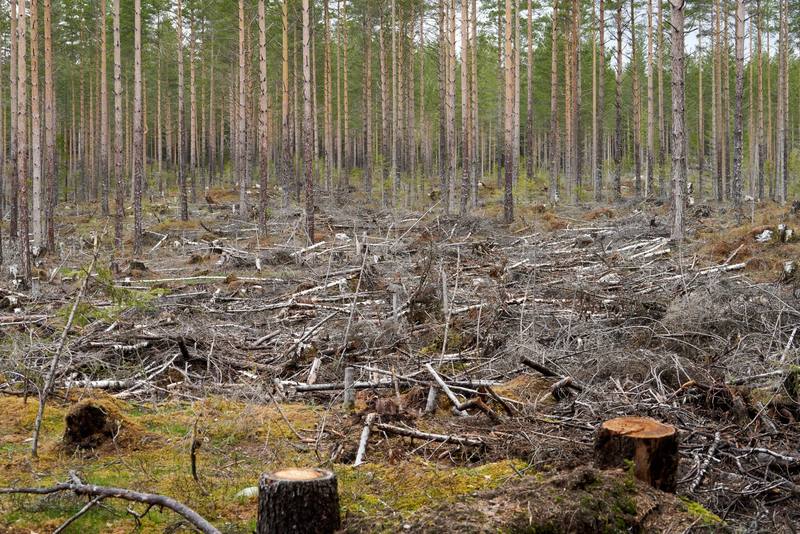
Stump Grinding
Stumps ground below grade so you can plant, sod or pave over the spot.
Learn more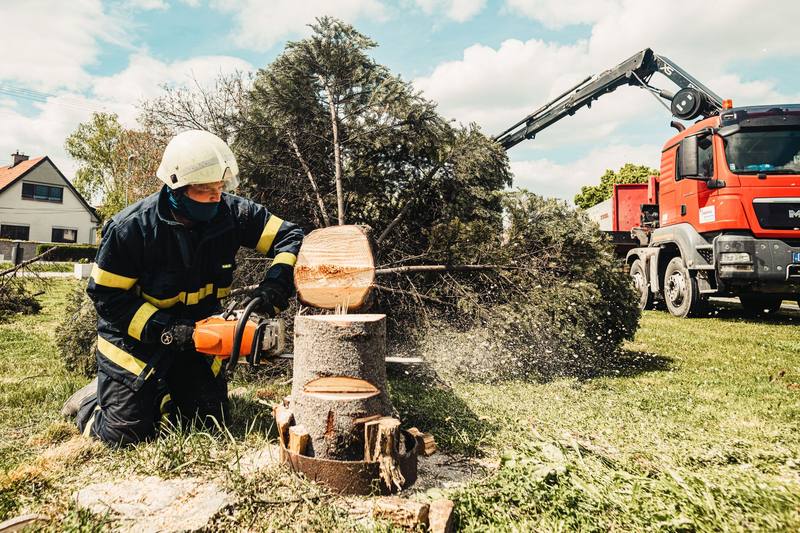
Stump Removal
Full stump and root ball extraction where a new structure, driveway or utility line is going in.
Learn more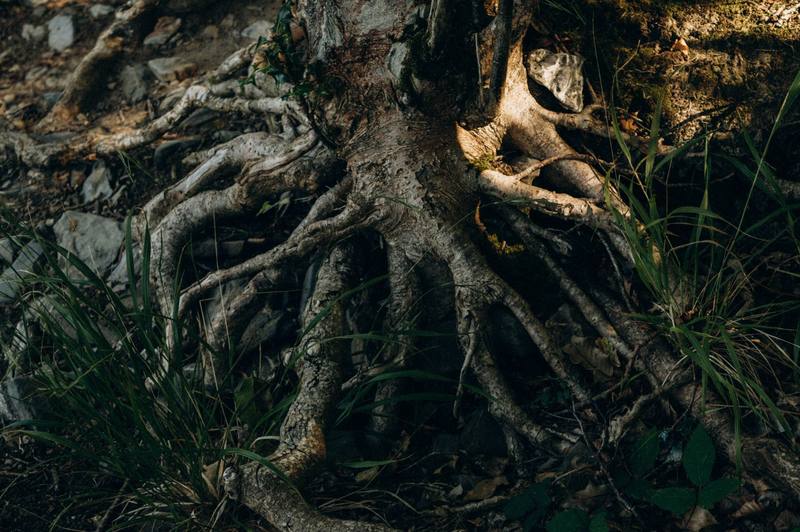
Root Grinding
Surface roots that lift walks, patios and lawns ground down and cleaned up.
Learn more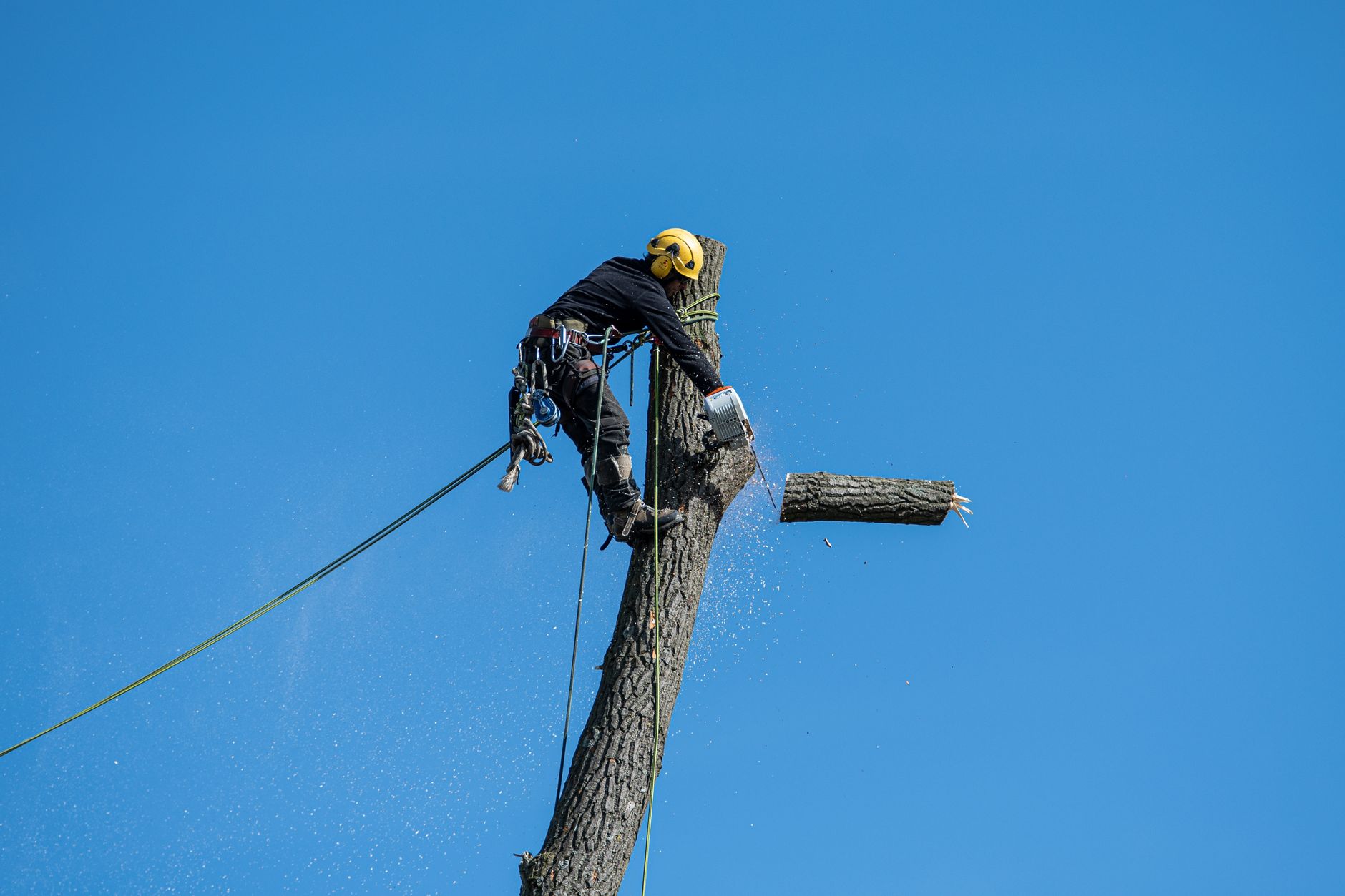
Tree Removal
Dead, leaning or in-the-way trees taken down in sections and hauled away.
Learn more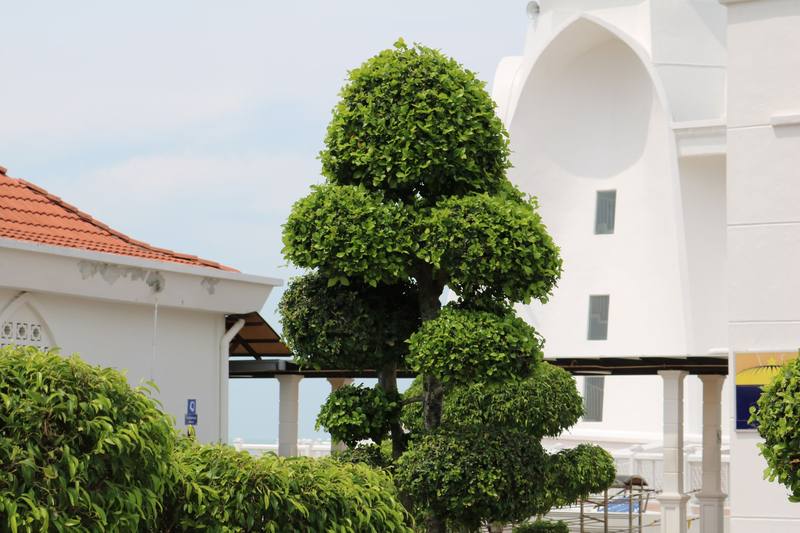
Tree Trimming
Crown cleaning, deadwood removal and clearance from roofs and lines.
Learn more
Lot Clearing
Brush, small trees and stumps cleared from lots and fence lines.
Learn more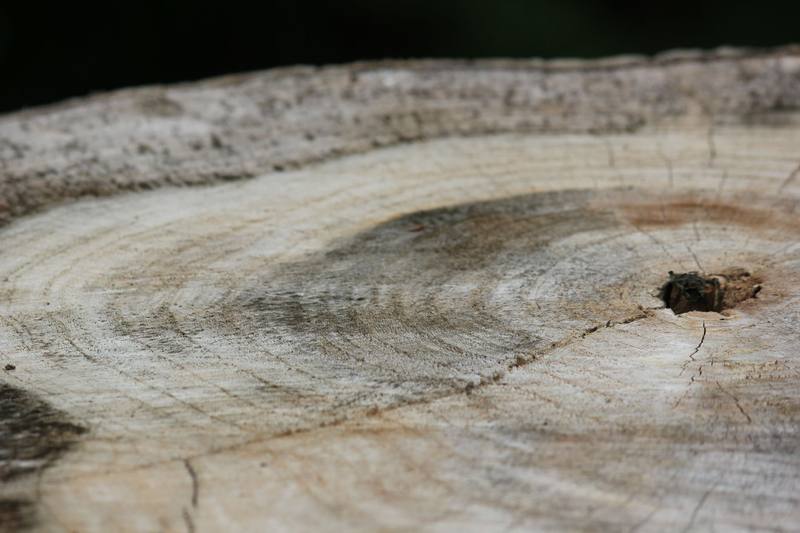
Oak Stump Removal
Grinding and removal for dense oak stumps and their wide surface roots, in Roseville and the towns nearby.
Learn more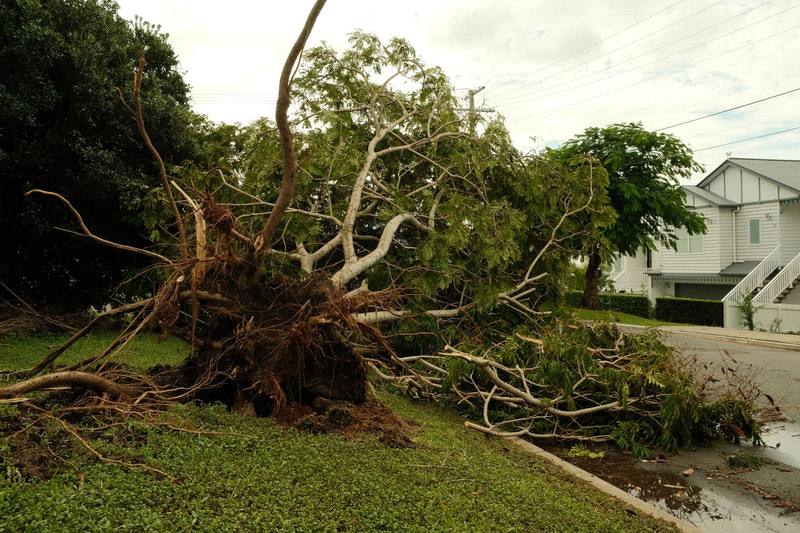
Storm Cleanup
Fallen limbs and uprooted trees cut, cleared and the stumps ground after a storm.
Learn more
Get Started
Send us a photo of the stump
Take a picture with something next to the stump for scale, tell us what you want in that spot, and we will get back to you with a quote. You can also call during business hours.