What happens to the wood chips after stump grinding?
The grinder turns the stump into a mix of wood chips and soil, which usually goes back into the hole, and anything left over can be used as mulch, raked out or hauled away.
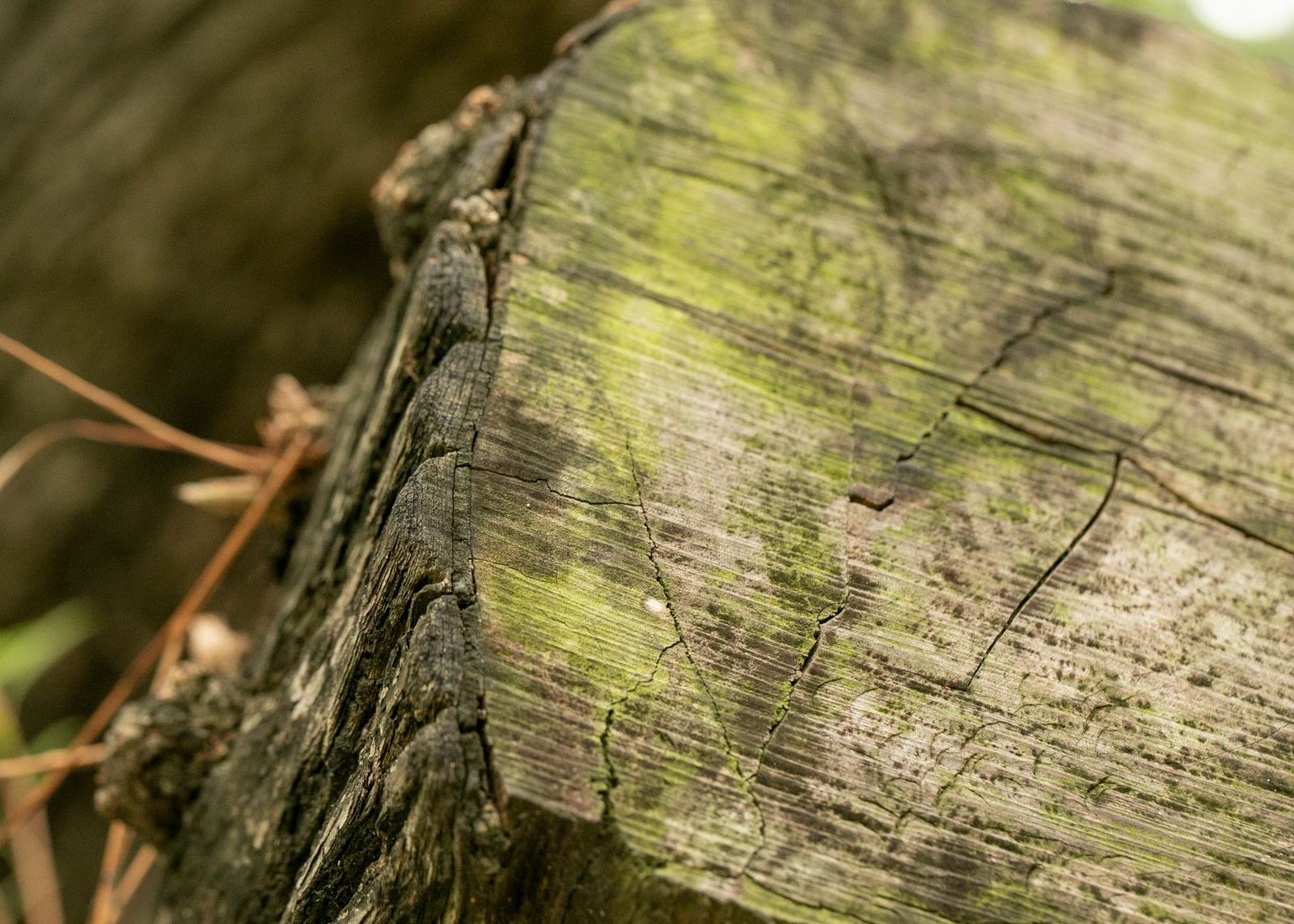
Stump grinding doesn't make the stump disappear. It turns the wood into chips, and you end up with a pile of them where the tree used to be. Here is what normally happens to that pile, what you can do with it, and when it's worth calling someone back.
The short answer
A stump grinder has a spinning wheel with hardened teeth. It chews the stump down below ground level, along with the top of the main roots. What's left behind is a mound of wood chips mixed with dirt, sitting in and around the hole the stump came out of.
The usual next step is to rake that mix back into the hole. Wood takes up more room once it has been chipped, so the hole is normally full with chips to spare. The extra can be spread out, left in a pile for you to use, or hauled off the property. Which one happens depends on what you ask for when you book. Tell us when you call and we'll put it in your quote, so you know before we start whether the chips are staying or going.
Nothing about the chips is harmful. They are just wood and soil. The question is whether you want them in that spot, somewhere else in your yard, or gone.
What changes the answer on a real property
The size of the stump matters most. A small ornamental tree in a front bed might leave a few buckets of chips. A large oak or an old pine can leave a pile that covers a good part of a lawn. The bigger the stump, the more likely you'll have extra after the hole is filled.
How deep we grind matters too. If you only need the stump below mower height, there are fewer chips. If you plan to lay sod or build a planter over the spot, we grind deeper, and that makes more chips. Grinding out surface roots that run across the lawn adds more again, in long strips instead of one pile.
Where the stump sits changes things as well. Chips next to a fence, a patio or a wall can't be raked out wide, so they usually need to be hauled or moved by wheelbarrow. In an open backyard there is room to spread them.
In Roseville, the season is part of it. Our summers are long, hot and dry, and a big pile of dry wood chips right against a house wall or wooden fence isn't a good idea. In the dry months, keep chip piles and thick mulch a few feet back from your siding, deck and fence boards. Many yards around Roseville also have heavy clay soil, so a chip-filled hole can drain differently from the ground around it for a while.
What you can do with the chips
Most homeowners keep at least some of them. Ground stump chips make decent mulch for shrub beds and around the edges of a yard. Spread them a few inches thick to hold in moisture and slow down weeds. Keep them pulled back from the base of living trees and shrubs, and away from your foundation.
They also work well on a garden path or a side yard where you just want something to walk on that isn't mud in winter. Because the chips have soil mixed in, they look rougher than bagged mulch and break down faster.
If you compost, you can add the chips in small amounts mixed with green material like grass clippings. On their own they rot slowly.
One thing to watch: while fresh wood breaks down, it takes nitrogen from the soil around it. That's fine on top of the ground as mulch. It's less helpful if you dig a lot of chips into soil where you plan to grow grass or vegetables right away.
If the tree came down because it was diseased, don't spread its chips around your other trees. Ask us about hauling those.
What you can check yourself
Look at the spot a few weeks after the grind. As the chips break down, the filled hole sinks. That's normal. Top it up with topsoil when it settles, and again later if needed.
If you want grass to grow there, rake out the chips from the top layer, about six inches or so, and replace them with topsoil before you seed or lay sod. Grass struggles in pure wood chips.
Mushrooms coming up in the old stump spot are also normal. They are feeding on the buried wood and will fade as it rots.
Check for shoots too. Some trees send up new sprouts from the roots left in the ground. Clip them early. If they keep coming back, that's a sign the roots need more work.
When it needs a professional
Call us back if the hole keeps sinking well below the lawn after you've topped it up, if sprouts keep coming from the old roots, or if you've found surface roots lifting the lawn or a path near where the tree stood. Root Grinding takes care of roots that run out from the stump and keep causing trouble.
It's also worth talking to us before you plant a new tree in the same spot, pour a slab or set footings there. Buried chips settle and rot over time, and you don't want that under concrete. In those cases Stump Removal, where more of the stump and root mass comes out and the hole is filled with soil, is often the better choice than a standard grind.
And if the pile is simply too big to deal with, or it's sitting against a fence in July, let us know and we'll talk through hauling it.
How this fits with what we do
Most of our work around Roseville and the nearby towns is Stump Grinding, and the chip question comes up on almost every job. When you call for a quote, tell us what you want the spot to become: lawn, a garden bed, a path, or something built on top. That tells us how deep to grind, whether the chips should stay in the hole, and whether you'd like the extra left in a pile, spread out or taken away.
If you're not sure, we can look at the stump and walk you through the options in plain terms before any work starts. Call (916) 010-0003 or use the Get a Stump Quote button, and mention what you'd like done with the chips.
Related questions
It depends on what you ask for when you book. We can leave the chips in the hole, spread the extra, leave a pile for you, or haul it away. Tell us when you call and it will be written into your quote.
Yes, but not straight into the chips. Rake out the top layer of chips, fill with topsoil, and then seed or lay sod. Expect to top up the spot as the buried chips settle.
The wood chips under the surface are breaking down and taking up less space. That's normal for the first year or so. Add topsoil as it settles, and call us if it keeps dropping well below the lawn.
Yes, they're wood and soil. Keep them a few inches back from the base of living plants and away from your house, especially in the dry summer months. Don't spread chips from a diseased tree around your other trees.
Services
How we can help in Roseville
Stump Grinding
Stumps ground below grade so you can plant, sod or pave over the spot.
Learn more
Stump Removal
Full stump and root ball extraction where a new structure, driveway or utility line is going in.
Learn more
Root Grinding
Surface roots that lift walks, patios and lawns ground down and cleaned up.
Learn more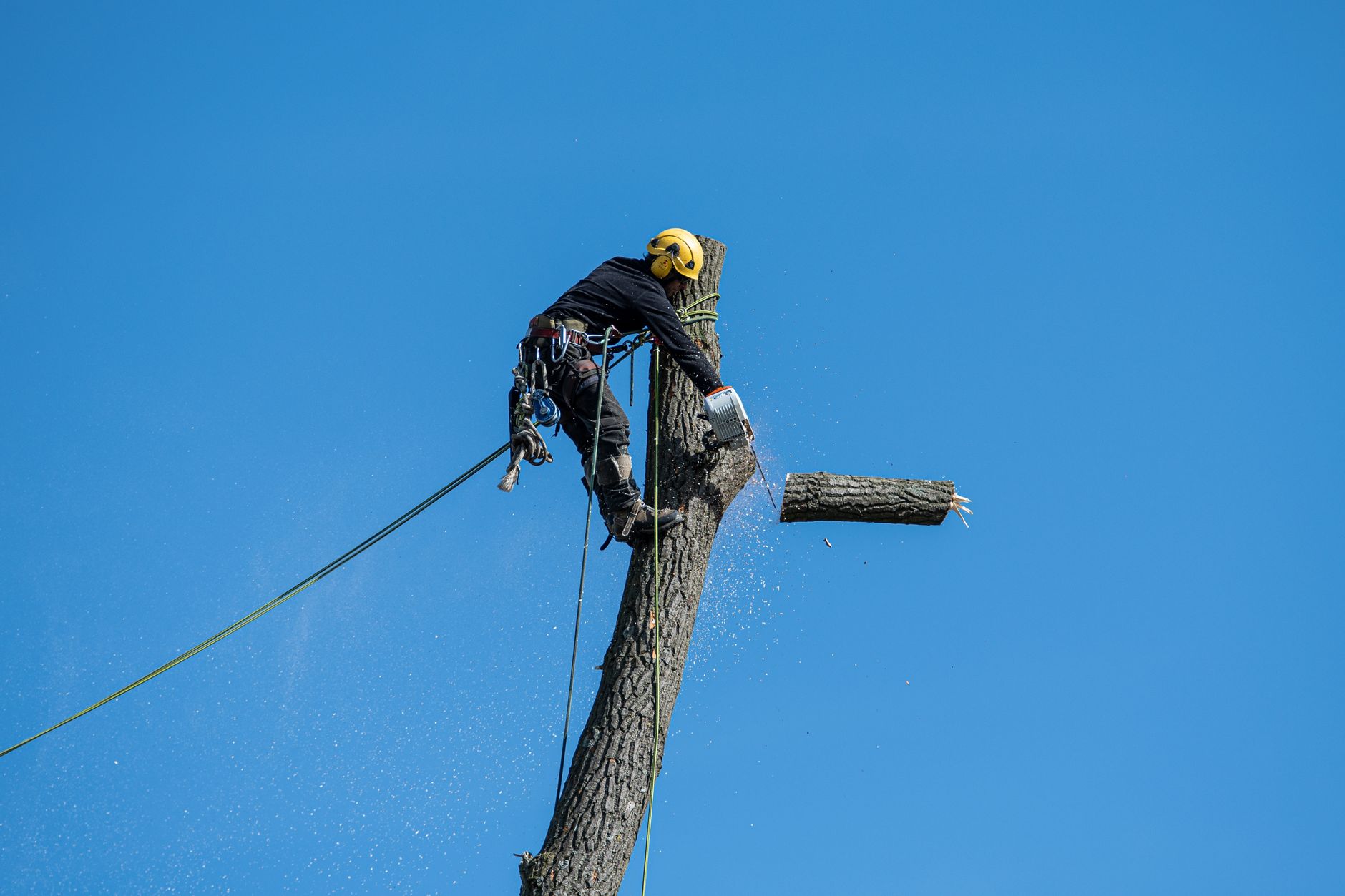
Tree Removal
Dead, leaning or in-the-way trees taken down in sections and hauled away.
Learn more
Tree Trimming
Crown cleaning, deadwood removal and clearance from roofs and lines.
Learn more
Lot Clearing
Brush, small trees and stumps cleared from lots and fence lines.
Learn more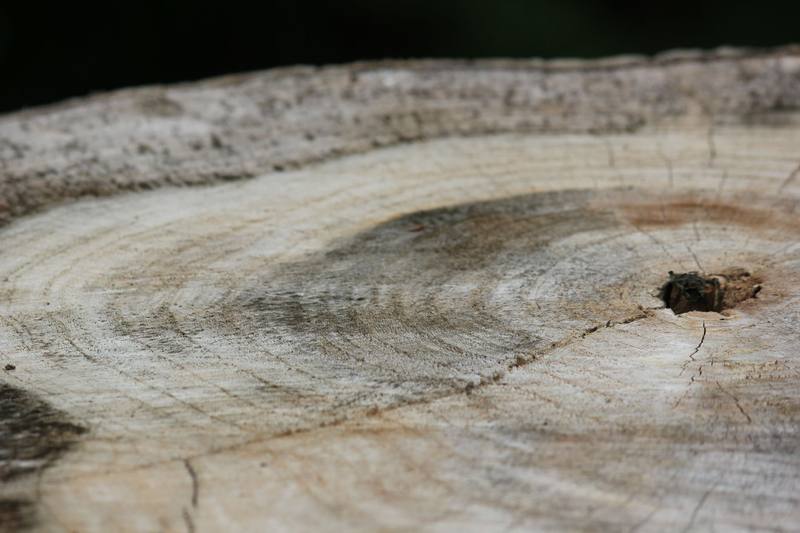
Oak Stump Removal
Grinding and removal for dense oak stumps and their wide surface roots, in Roseville and the towns nearby.
Learn more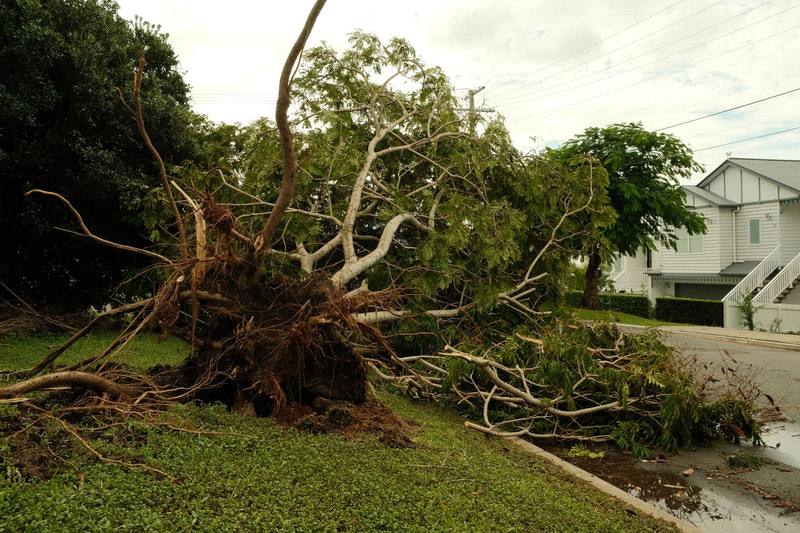
Storm Cleanup
Fallen limbs and uprooted trees cut, cleared and the stumps ground after a storm.
Learn more
Get Started
Send us a photo of the stump
Take a picture with something next to the stump for scale, tell us what you want in that spot, and we will get back to you with a quote. You can also call during business hours.