Is stump grinding safe near sprinkler lines?
Yes, it is usually safe once the sprinkler lines are found and marked, because then the grinder can stop short of them or a line can be cut, capped and repaired on purpose.
Lots of yards in Roseville have a sprinkler system running somewhere near an old stump. The grinder won't avoid a pipe by itself. So whether a pipe gets damaged comes down to whether anyone checked where the lines run before the work started.
The short answer
Stump grinding near sprinkler lines is usually safe if the lines are located first. A stump grinder is a heavy wheel fitted with hardened teeth. It spins fast and chews the wood down below the soil. It can't tell a root from a PVC pipe. If a sprinkler line runs through the area being ground, the teeth will cut it.
So the risk isn't really the machine. It's not knowing where the pipe is. Most sprinkler damage during stump work happens because nobody looked first. When the lines are flagged, we can stop the grinding short of them, dig by hand to expose a pipe before going deeper, or agree with you ahead of time that a short section will be cut and capped and repaired afterwards. All three are ordinary. Hitting a pipe you didn't know about is the outcome to avoid.
What changes the answer on a real property
The first thing is depth. Sprinkler lines are often buried only a few inches to about a foot down, and a grinder normally works several inches below the surface. The two layers overlap, and that's why this question matters at all.
The second is history. Sprinklers often get installed to water a tree, so a lateral line may run right past the trunk. Over the years the roots grow around and over that pipe. When the tree comes down, the stump and the pipe can be tangled together.
Third, the type of system. Drip tubing sits right at the surface or under mulch. It's soft, easy to miss and easy to tear. Older PVC gets brittle, and it can crack from vibration and root movement nearby even if the teeth never touch it. Flexible poly pipe holds up better, though it still cuts cleanly if hit.
Then there's the layout of the yard. Many Roseville neighbourhoods were built with in-ground irrigation from the start. The valve boxes sit near the sidewalk or the side of the house, and lines branch out under the lawn and the planting beds. Trees in the strip between the sidewalk and the curb often have lines running along both sides of them. The clay soil and long, hot summers here make a broken line easy to spot, though. A zone that stops reaching its heads shows up as a brown patch within days in July, and a leak shows up as a soggy spot that won't dry out.
Finally, know what the public locate service covers. Calling 811 before digging gets the public utilities marked, like gas, electric and water service lines. It does not mark private lines you own. That includes sprinkler pipe, landscape lighting wire, a line run out to a shed, or a buried pet fence.
What you can check yourself
You can find most of what matters in about half an hour before anyone shows up.
Run each sprinkler zone one at a time and walk the yard while it runs. Note every head within a few feet of the stump. Heads in a straight row usually mean a straight pipe between them. A head standing by itself near the stump often means a short branch line running from the closest main line.
Find the valve box and the controller. Sketch a rough line from the valves out to the heads near the stump. The sketch doesn't have to be exact. Knowing which side of the stump a line probably runs on is already useful.
Look for clues. A patched section of lawn, an old repair coupling sticking up, or leftover marker flags can show where work was done before. Some builders and homeowner associations keep irrigation drawings, so ask if you're in a planned community.
Mark what you find with small flags or a short line of marking paint. Then turn the irrigation off on the day of the work. If a line does get cut, a system that's off won't flood the hole or wash soil out from under the sidewalk.
When it needs a professional
Some jobs are worth handing over before anyone starts grinding.
One is a large stump whose roots spread under more than one zone. Another is a yard where you ran the zones and still can't tell where the pipes go. A stump in the strip next to the sidewalk can also have public utilities close by, along with the sprinkler lines.
The job itself matters too. Stump Removal means pulling out the root ball, not grinding it down. That disturbs much more ground, so the chance of reaching a line goes up. If you're removing an oak, check with the City of Roseville first, because native oaks can come with rules about removal and work near their roots.
If a line does get damaged, a small PVC repair is usually simple for a handy homeowner or an irrigation technician. A main line under pressure, a valve manifold or a damaged controller wire is more work, and is better left to someone who repairs irrigation for a living.
How this fits with stump grinding and root grinding
On a Stump Grinding visit, we start by walking the stump with you. We look at your flags, ask about lighting wire and drip lines, and decide how deep to go. Near a marked line, we may grind the stump in stages, stop and dig by hand to expose the pipe, or leave a small collar of wood around it. You choose whether to keep the grindings for mulch or fill or have them hauled away.
Root Grinding needs even more care. Surface roots that run across a lawn sit in the same shallow layer as most sprinkler pipe, so the lines have to be found along the whole length being ground, not just at the trunk. Tell us before the visit if your main concern is roots lifting the lawn or a walkway.
After the grinding
Once the hole is backfilled, turn the system back on and run each zone near the work area. Watch for heads that don't pop up, weak spray, or water bubbling up through the fresh soil. Check the spot again the next day. A slow leak can take a day to show as a wet patch. The ground over a ground-out stump also settles as the leftover wood breaks down, so keep an eye on any heads in that spot through the following season.
Related questions
No. 811 arranges marking for public utilities such as gas, electric and water service lines. Private lines you own, including sprinkler pipe and landscape lighting wire, are not marked. You will need to locate those yourself or have someone do it.
It is usually set to go several inches below the soil surface. The depth can go up or down depending on what you plan to put there next. Since many sprinkler lines are shallow, the depth gets decided after the lines are found, not before.
Yes. Turn the system off on the day of the work. If a line gets cut, an inactive system won't flood the hole or wash soil out from under paving. Turn it back on afterwards and run each nearby zone to check for leaks.
A cut lateral line is usually a short section of pipe and a pair of couplings. A handy homeowner or an irrigation technician can often fix that in an afternoon. Damage to a main line, a valve or controller wiring is more work and should go to an irrigation professional.
It can be. Surface roots and sprinkler pipe often sit at the same shallow depth across a lawn. The lines need to be found along the full length of the roots being ground, not just around the trunk.
Services
How we can help in Roseville
Stump Grinding
Stumps ground below grade so you can plant, sod or pave over the spot.
Learn more
Stump Removal
Full stump and root ball extraction where a new structure, driveway or utility line is going in.
Learn more
Root Grinding
Surface roots that lift walks, patios and lawns ground down and cleaned up.
Learn more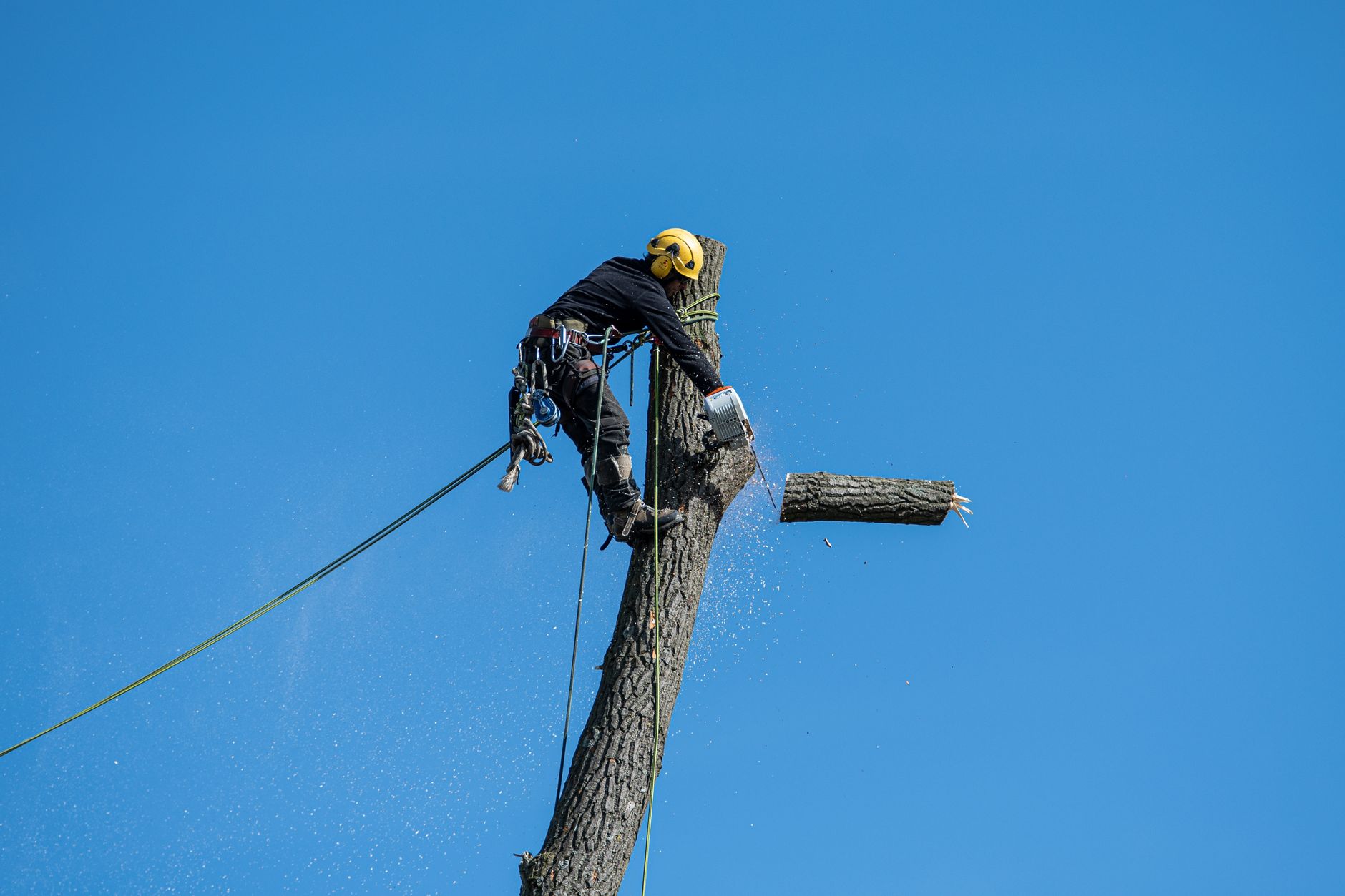
Tree Removal
Dead, leaning or in-the-way trees taken down in sections and hauled away.
Learn more
Tree Trimming
Crown cleaning, deadwood removal and clearance from roofs and lines.
Learn more
Lot Clearing
Brush, small trees and stumps cleared from lots and fence lines.
Learn more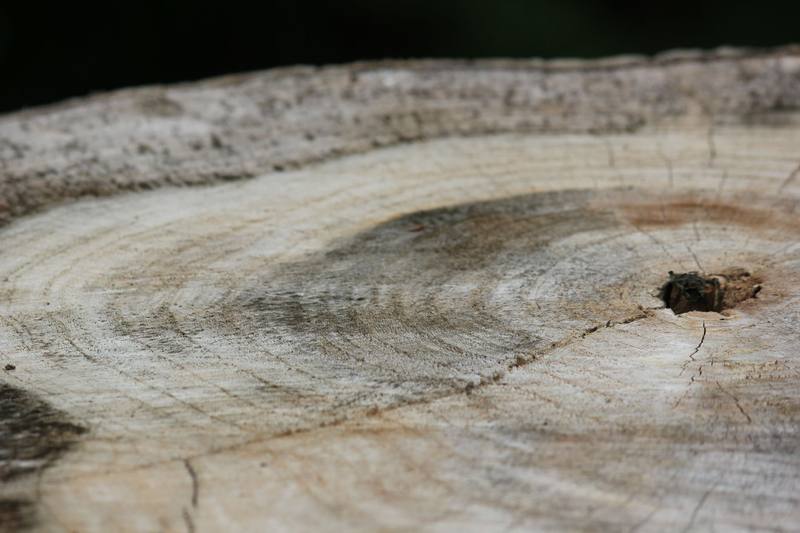
Oak Stump Removal
Grinding and removal for dense oak stumps and their wide surface roots, in Roseville and the towns nearby.
Learn more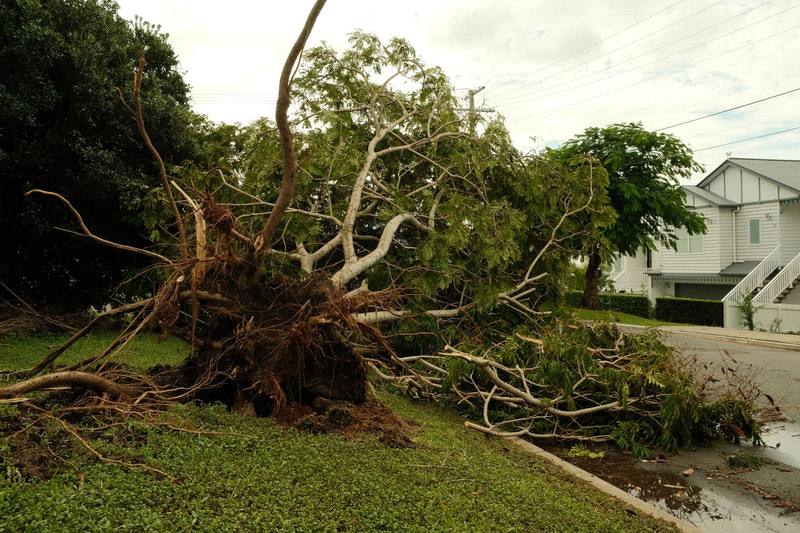
Storm Cleanup
Fallen limbs and uprooted trees cut, cleared and the stumps ground after a storm.
Learn more
Get Started
Send us a photo of the stump
Take a picture with something next to the stump for scale, tell us what you want in that spot, and we will get back to you with a quote. You can also call during business hours.