How long after cutting a tree should I grind the stump?
You do not have to wait at all: a stump can be ground the same day the tree comes down, and grinding it soon is usually easier than leaving it for months or years.
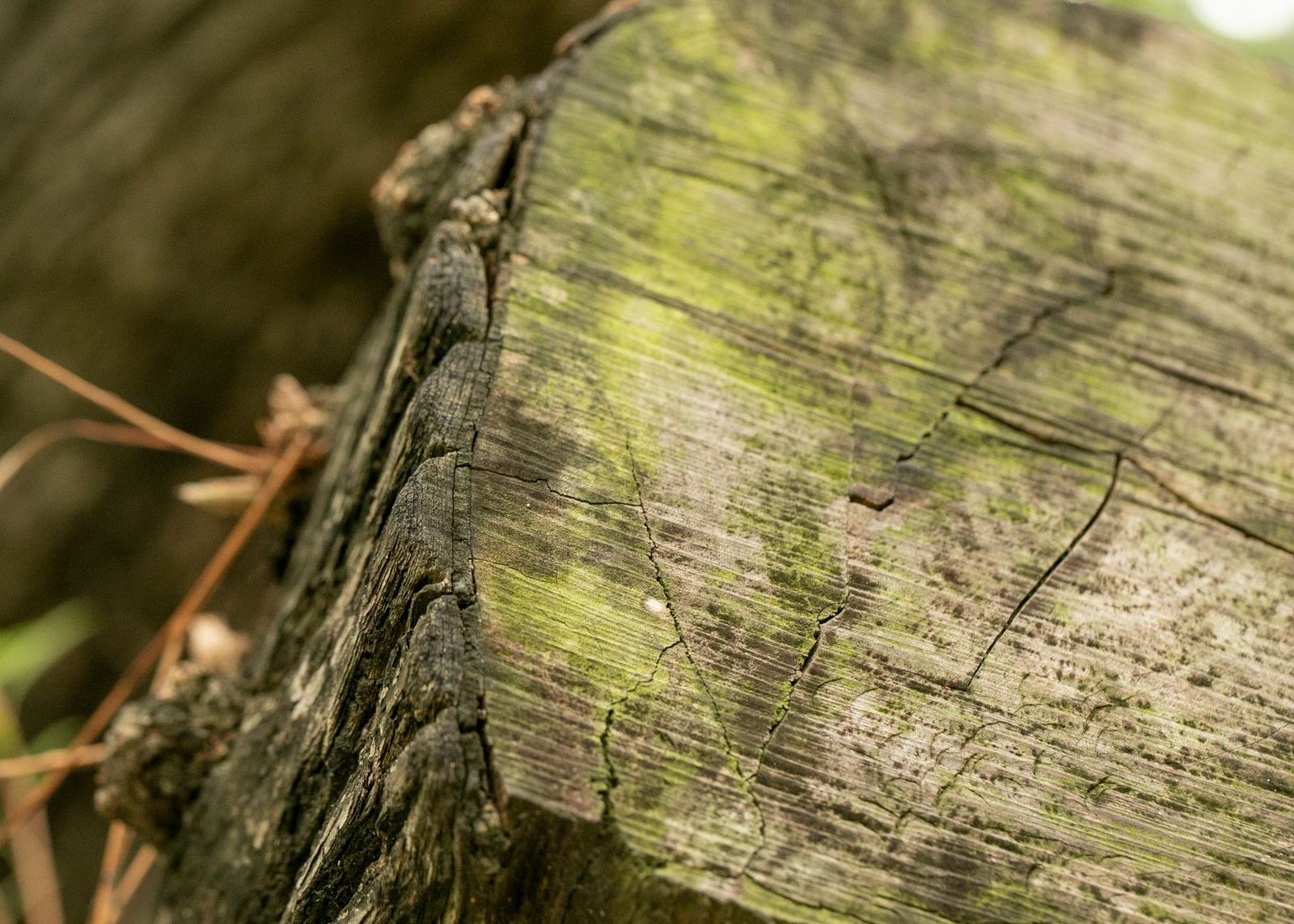
Many homeowners in Roseville are told to let a fresh stump sit and rot before doing anything with it. That advice causes more trouble than it saves. Here is when grinding makes sense, what can change the timing, and what you can check before anyone shows up.
The short answer: there is no waiting period
A stump can be ground right after the tree is cut. The grinder does not need the wood to dry out or soften first. A fresh stump is still solid, and a solid stump grinds cleanly.
The idea that you should wait usually comes from the hope that the stump will rot on its own. It will, eventually, but on most species that takes many years. During that time the stump sits in your lawn, gets in the way of the mower, and can send up new shoots from the roots. A decaying stump can also attract ants, termites and fungus, none of which you want near a house.
So if the tree is already down, the best time to grind is whenever it suits your schedule. Many people book Stump Grinding for the same visit as the tree work, or within a few weeks of it.
What changes the answer on a real property
There are a few situations where a short delay is sensible.
The first is sprouting. Some trees push up suckers from the roots after they are cut. If you have one of those, grinding soon helps, but you may also need to grind a bit deeper or deal with the surface roots so the shoots do not keep coming back.
The second is access. A grinder needs a clear path from the street or driveway to the stump. If the tree was in a back yard behind a narrow side gate, or there is still a pile of logs and brush around the stump, it makes sense to clear the area first.
The third is the ground itself. Much of Roseville sits on heavy clay that turns sticky in the wet months and bakes hard in summer. Neither stops a grinder, but very soft, waterlogged lawn can rut under the machine. If the yard is soaked after a winter storm, waiting a few dry days is kinder to the grass.
The fourth is what you plan to do with the spot. If you want to replant a tree in the same place, you will need the grindings removed and fresh soil brought in. If you only want grass to grow back, a shallower grind and some topsoil is usually enough. Knowing this before the visit saves a second trip.
What you can check yourself before booking
You can learn a lot about the job by walking out to the stump with a tape measure.
Measure across the top of the stump at its widest point, and note how high it sits above the soil. Look for surface roots running out across the lawn, since those may need Root Grinding if they trip people or lift pavers.
Check what is close by. A fence post, a sprinkler line, a garden wall or the edge of a driveway near the stump all matter, because the grinder has to work around them. Mark any sprinkler heads you know about.
Think about buried utilities. Gas, electric and irrigation lines sometimes run closer to trees than people expect. Calling 811 before any digging or grinding near a property line is a good habit, and it costs you nothing.
Finally, look at the path the machine will take. Measure the narrowest gate and note any steps or steep slopes. A photo of the stump and the route to it is often all that is needed to give you a clear idea of the work.
When it needs a professional
Small stumps from shrubs can sometimes be dug out by hand. Anything from a real tree is a different matter. Rental grinders are heavy, they throw chips and stones, and they are hard to control on clay or a slope. It is easy to damage a fence, a window or yourself.
Call someone in if the stump is wider than you can comfortably dig around, if it sits close to a house, fence or wall, if there are roots under a patio or walkway, or if the tree was large enough that its roots spread well across the yard.
Oaks deserve a special mention. Roseville and the surrounding foothill towns have a lot of mature oaks, and their stumps are dense, wide and often have thick roots near the surface. Oak Stump Removal tends to take longer and needs a machine sized for it. If the tree was a protected native oak, it is also worth confirming with the city that the removal was handled properly before the stump comes out.
What a stump grinding visit involves
A typical visit is short and fairly quiet in its steps. We look at the stump, check the surrounding area for sprinklers, rocks and anything buried, and agree with you on how deep to go. Then the grinder chews the stump down below the soil line, working across the top and around the edges.
What is left is a hole filled with wood chips and soil. You can keep the grindings as mulch around beds, or have them hauled away so the area can be filled with topsoil. If you plan to lay sod or seed, removing most of the chips gives you a better result, because decomposing wood pulls nitrogen from the soil.
In Roseville, the hot, dry summers mean new grass over a ground stump needs regular watering for the first few weeks. In the cooler, wetter months, the soil settles faster, so you may need to top up the low spot once it sinks.
How this fits with the rest of the tree work
If you are planning to have a tree taken down, it is simplest to think about the stump at the same time. Arranging Tree Removal and Stump Grinding together means one set of decisions about access, cleanup and what happens to the space afterward.
If the tree came down months ago and the stump has been sitting since, that is fine too. Older stumps grind just as well. The main thing is not to leave it for years on the hope it will disappear by itself. Grinding now gives you the space back and removes a place for pests and new shoots to take hold.
Related questions
Not in any way that matters to you. Fresh wood is solid and grinds cleanly, and older stumps that have started to rot can be softer in places but harder in others. Either way, the stump can be ground without waiting.
Some species send up new shoots from the stump and roots after the tree is cut. Grinding the stump below the soil line usually stops most of this. Large surface roots may also need grinding if shoots keep appearing along them.
It depends on what you want to do with the area. For grass, a grind below the soil line with topsoil on top is usually enough. For replanting a tree or building over the spot, a deeper grind and removal of the chips is better, so tell us your plans before the visit.
You can, but it is easier to plant a short distance away. If you want the same spot, the grindings need to be removed and replaced with good soil, since decaying wood chips are a poor place for new roots.
Not always. If the gate is unlocked, the stump is easy to find and we have already agreed on depth and cleanup, the work can usually go ahead without you. Being there helps if there are sprinkler lines or other buried items you want to point out.
Services
How we can help in Roseville
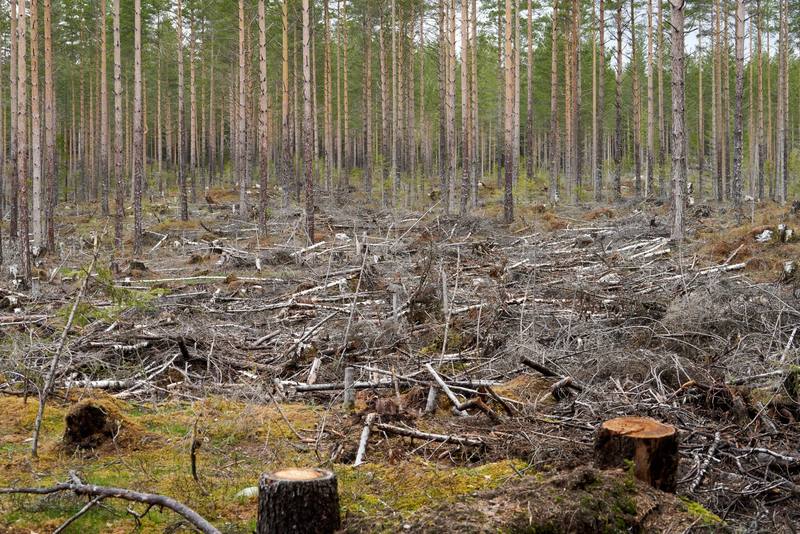
Stump Grinding
Stumps ground below grade so you can plant, sod or pave over the spot.
Learn more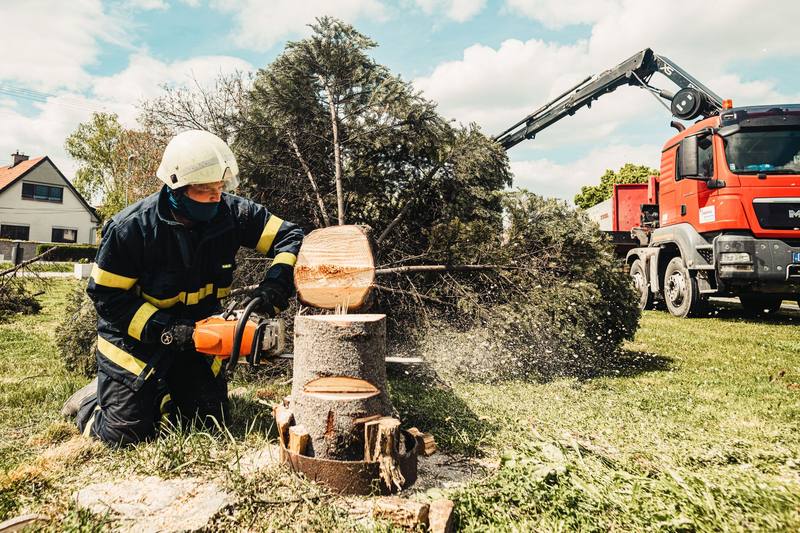
Stump Removal
Full stump and root ball extraction where a new structure, driveway or utility line is going in.
Learn more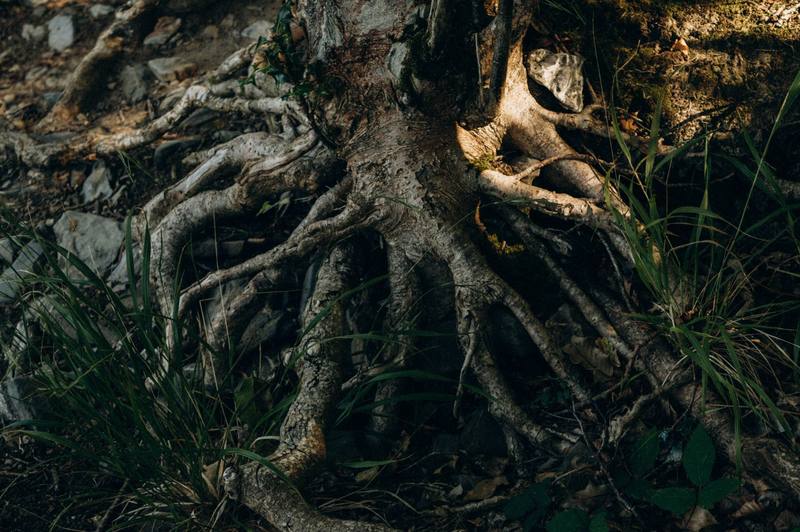
Root Grinding
Surface roots that lift walks, patios and lawns ground down and cleaned up.
Learn more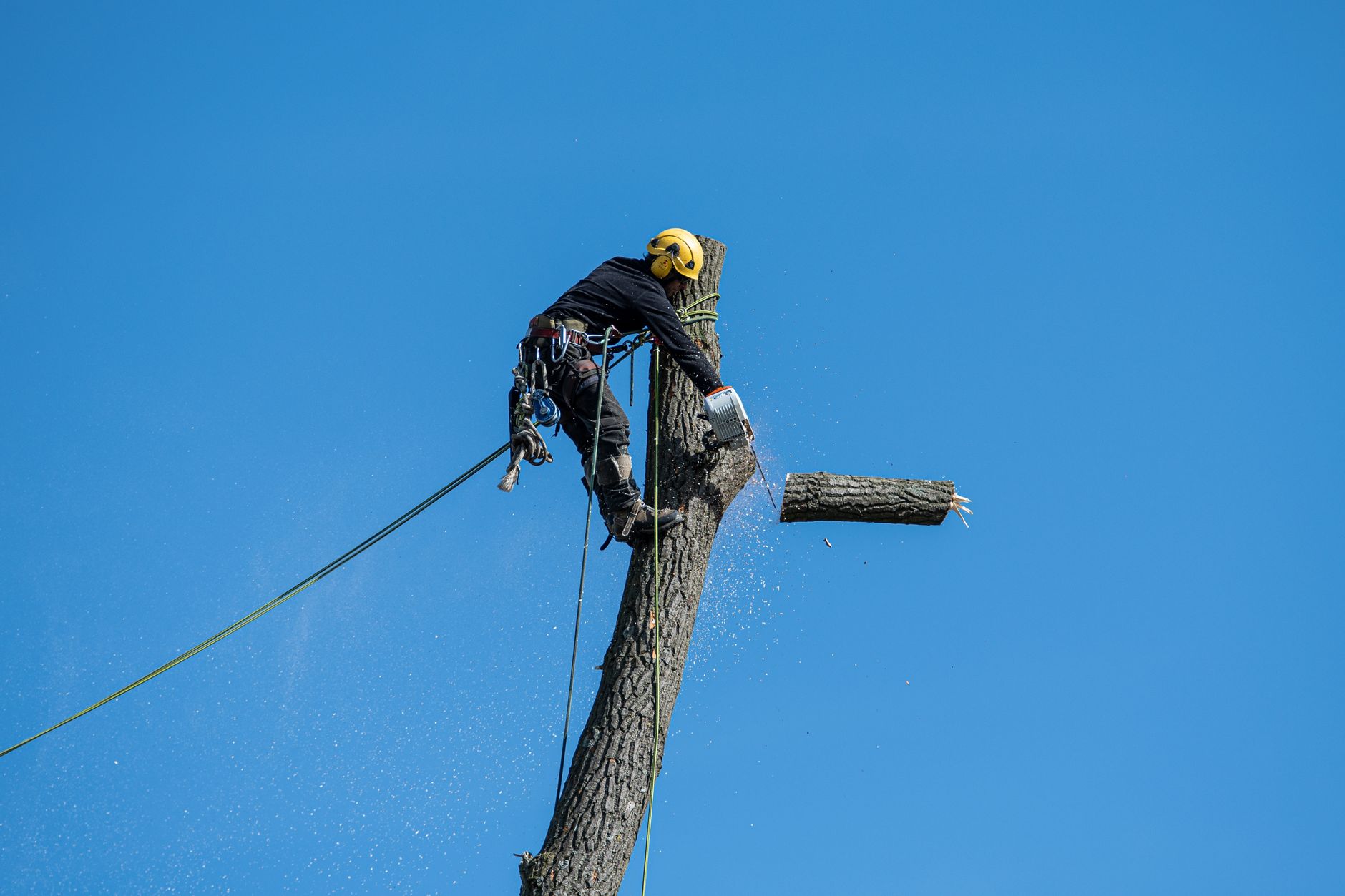
Tree Removal
Dead, leaning or in-the-way trees taken down in sections and hauled away.
Learn more
Tree Trimming
Crown cleaning, deadwood removal and clearance from roofs and lines.
Learn more
Lot Clearing
Brush, small trees and stumps cleared from lots and fence lines.
Learn more
Oak Stump Removal
Grinding and removal for dense oak stumps and their wide surface roots, in Roseville and the towns nearby.
Learn more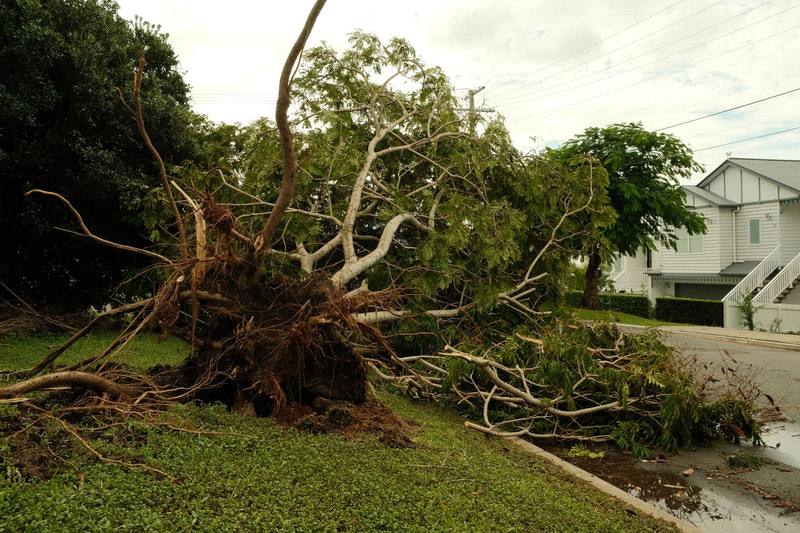
Storm Cleanup
Fallen limbs and uprooted trees cut, cleared and the stumps ground after a storm.
Learn more
Get Started
Send us a photo of the stump
Take a picture with something next to the stump for scale, tell us what you want in that spot, and we will get back to you with a quote. You can also call during business hours.