Do I need a permit to remove an oak tree in Roseville?
Often yes: Roseville protects native oaks above a set trunk size, so check with the city before you cut a valley oak, blue oak or interior live oak.
Oaks are the one tree in Roseville where you should check the rules before you call anyone with a saw. The city has a tree preservation ordinance that covers native oaks, and it can apply to work in the root area as well as to removal. Here is how to tell where your tree stands, and what to do next.
The plain answer
If the tree is a native oak, it is inside Roseville city limits and its trunk is above the size the ordinance protects, you will need a permit to remove it. The native oaks that count are mainly valley oak, blue oak and interior live oak. A small oak, or a non-native tree like a pine, a liquidambar or an ornamental pear, usually falls outside the ordinance.
The permit can cover more than cutting the tree down. Heavy pruning, trenching, paving or grading close to the trunk can also need approval, because damage to the roots can kill an oak just as surely as a chainsaw. Size thresholds and the exact rules change from time to time, so treat the city's Planning Division as the final word on your tree.
What changes the answer on a real property
Species is the first question. An oak planted from a nursery, like a cork oak or a red oak, is not treated the same as a native one in most local rules. Plenty of yards in older Roseville neighbourhoods have both, so it is worth knowing which is which.
Trunk size is the second. Protected size is measured as trunk diameter at about four and a half feet above the ground, called diameter at breast height. Trees with several trunks are measured differently, so a multi-trunk oak can be protected even when no single stem looks large.
Where the property sits matters a great deal. A Roseville mailing address does not always mean Roseville city limits. Granite Bay and some land near Loomis fall under Placer County rules, while Citrus Heights, Antelope, Orangevale and Fair Oaks fall under Sacramento County or their own city rules. Each has its own approach to oaks, and the permit comes from whoever governs the parcel, not from the post office.
Newer subdivisions add another layer. Many lots built around existing oaks carry conditions from when the subdivision was approved, or sit next to open space with easements. Your HOA may also have its own rules on tree removal, separate from the city.
Finally, a dead or dangerous oak is not automatically exempt. Many local rules allow quicker approval for a tree that is dead or about to fail, but you usually still need to tell the city and show why, often with photos or an arborist's note. Do not assume you can skip the paperwork because the tree looks bad.
What you can check yourself
Start with the leaves. Valley oak leaves have deep, rounded lobes and drop in winter. Blue oak leaves are smaller, with a blue-green cast and shallow lobes, and also drop in winter. Interior live oak keeps its leaves all year, and they are small, dark green and often have spiny edges, a bit like holly.
Next, measure the trunk. Wrap a tape measure around it at about four and a half feet up, then divide that number by 3.14 to get the diameter. Write it down. If the tree has more than one trunk, measure each one.
Then confirm who governs the land. The county assessor's parcel lookup will show whether the lot is inside Roseville city limits. Pull out your HOA documents and the plot plan from your purchase, and look for easements, open space or tree conditions.
With species, measurements and parcel information in hand, a short call or email to the city's Planning Division will usually tell you whether a permit is needed and what the application asks for.
When it needs a professional
Some situations are past the point of a homeowner check. If the application asks for an arborist report, you will need a certified arborist to assess the tree and write it up. That report is often what the city uses to decide.
Call someone soon if you see signs the tree may fail: a new lean, cracks in the trunk or at the base of a large limb, mushrooms or soft wood near the root flare, or large dead sections in the canopy. Oaks around Roseville have to deal with long dry summers followed by winter rain, and older trees with years of lawn watering over their roots can decline from root rot without much warning above ground.
Any oak close to a house, a fence or power lines needs careful rigging to take down in sections. Lines that feed the house or run along the street are the utility's job to make safe first. Large oaks are heavy and their wood is dense, so this is not weekend chainsaw work.
How this fits with tree and stump work
For Tree Removal on an oak, we ask whether a permit is in place before we schedule the job, and we look at the tree with you so the paperwork matches what is actually there. If the oak is protected and the city has not signed off, the right move is to wait, even when the tree is an eyesore.
Once the tree is legally down, the stump is a separate job. Oak Stump Removal takes more time than most stumps because oak is hard and the root flare spreads wide. Grinding takes the stump below grade so you can replant, lay sod or put down mulch.
One thing to keep in mind: stump and root grinding near a neighbouring oak that is still standing can count as work in that tree's root zone. If a protected oak is close by, mention it when you call and we will plan around it.
Related questions
Look at the leaves. Valley oak has deep rounded lobes, blue oak has small blue-green leaves with shallow lobes, and interior live oak keeps small dark spiny-edged leaves all year. If you are unsure, a photo of the leaves and bark sent to the city or an arborist will settle it.
Do not assume so. Many local rules have a faster process for dead or hazardous trees, but you usually still need to notify the city and show the tree's condition. Check before cutting, and keep photos.
The rules come from whoever governs the parcel, not the mailing address. Granite Bay is in unincorporated Placer County, so county rules apply there. The assessor's parcel lookup will confirm it.
Grinding the stump of an oak that was legally removed is usually fine. The question is nearby oaks: grinding roots close to a protected tree that is still standing can count as work in its root zone. Tell us about any oaks nearby when you book.
Light pruning of small branches is usually allowed, but heavy pruning or cutting large limbs on a protected oak can need approval. Ask the city before major cuts, and avoid removing a large share of the canopy at once.
Services
How we can help in Roseville
Stump Grinding
Stumps ground below grade so you can plant, sod or pave over the spot.
Learn more
Stump Removal
Full stump and root ball extraction where a new structure, driveway or utility line is going in.
Learn more
Root Grinding
Surface roots that lift walks, patios and lawns ground down and cleaned up.
Learn more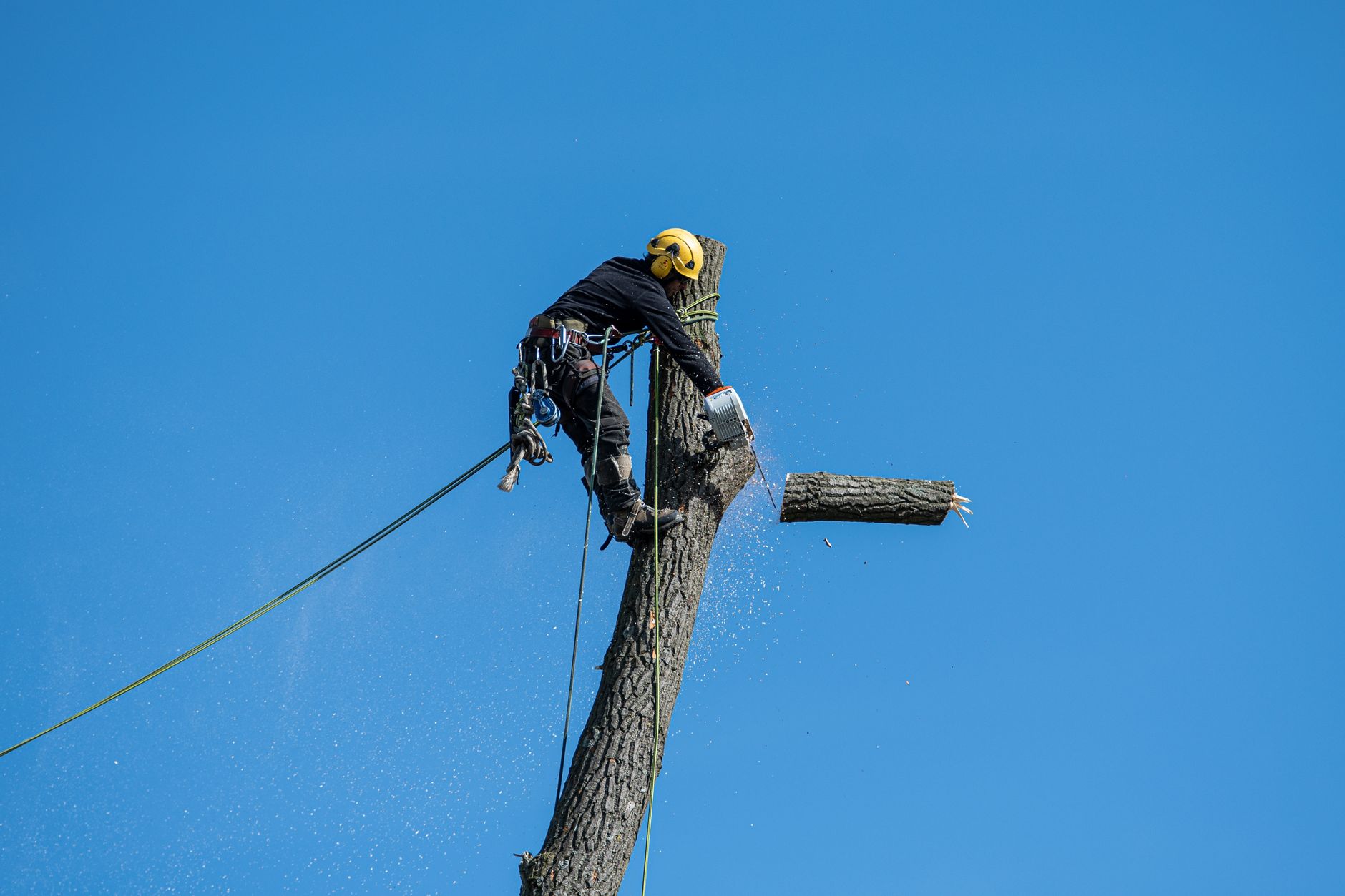
Tree Removal
Dead, leaning or in-the-way trees taken down in sections and hauled away.
Learn more
Tree Trimming
Crown cleaning, deadwood removal and clearance from roofs and lines.
Learn more
Lot Clearing
Brush, small trees and stumps cleared from lots and fence lines.
Learn more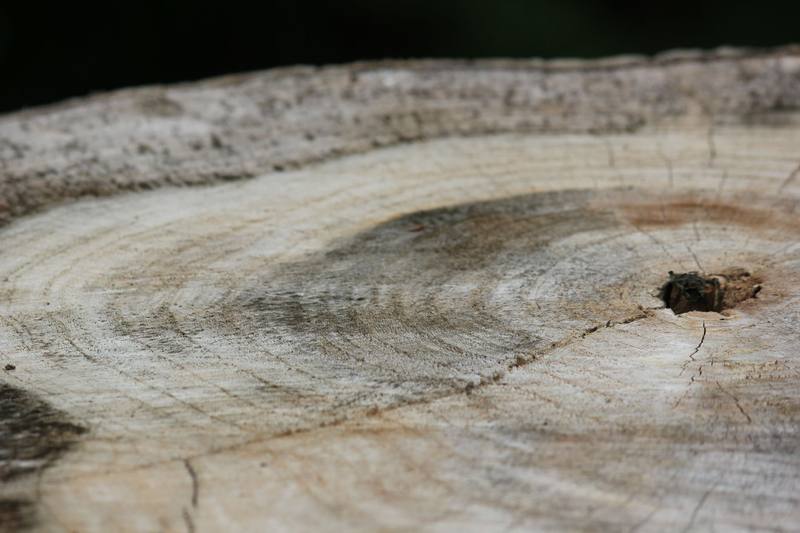
Oak Stump Removal
Grinding and removal for dense oak stumps and their wide surface roots, in Roseville and the towns nearby.
Learn more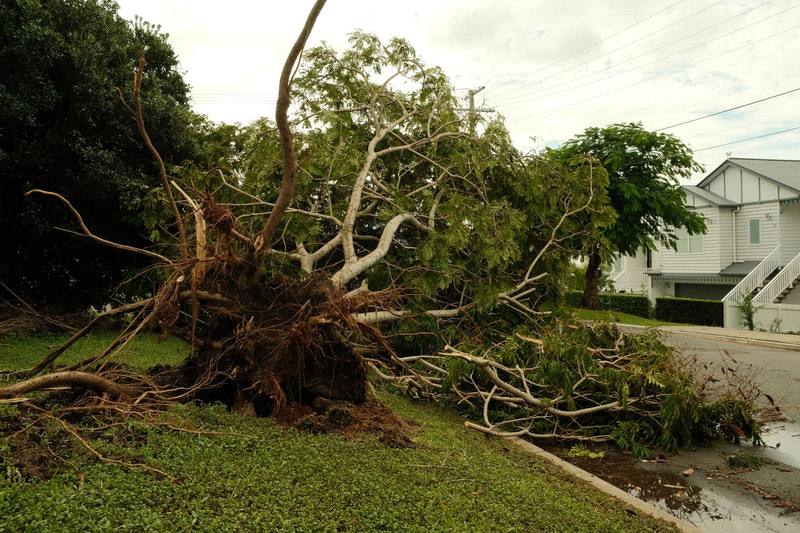
Storm Cleanup
Fallen limbs and uprooted trees cut, cleared and the stumps ground after a storm.
Learn more
Get Started
Send us a photo of the stump
Take a picture with something next to the stump for scale, tell us what you want in that spot, and we will get back to you with a quote. You can also call during business hours.