Can you grind a stump next to a fence or foundation?
Usually yes: a stump grinder can work close to a fence or a foundation, but how close depends on the stump's size, what is buried around it and how much room there is for the machine.
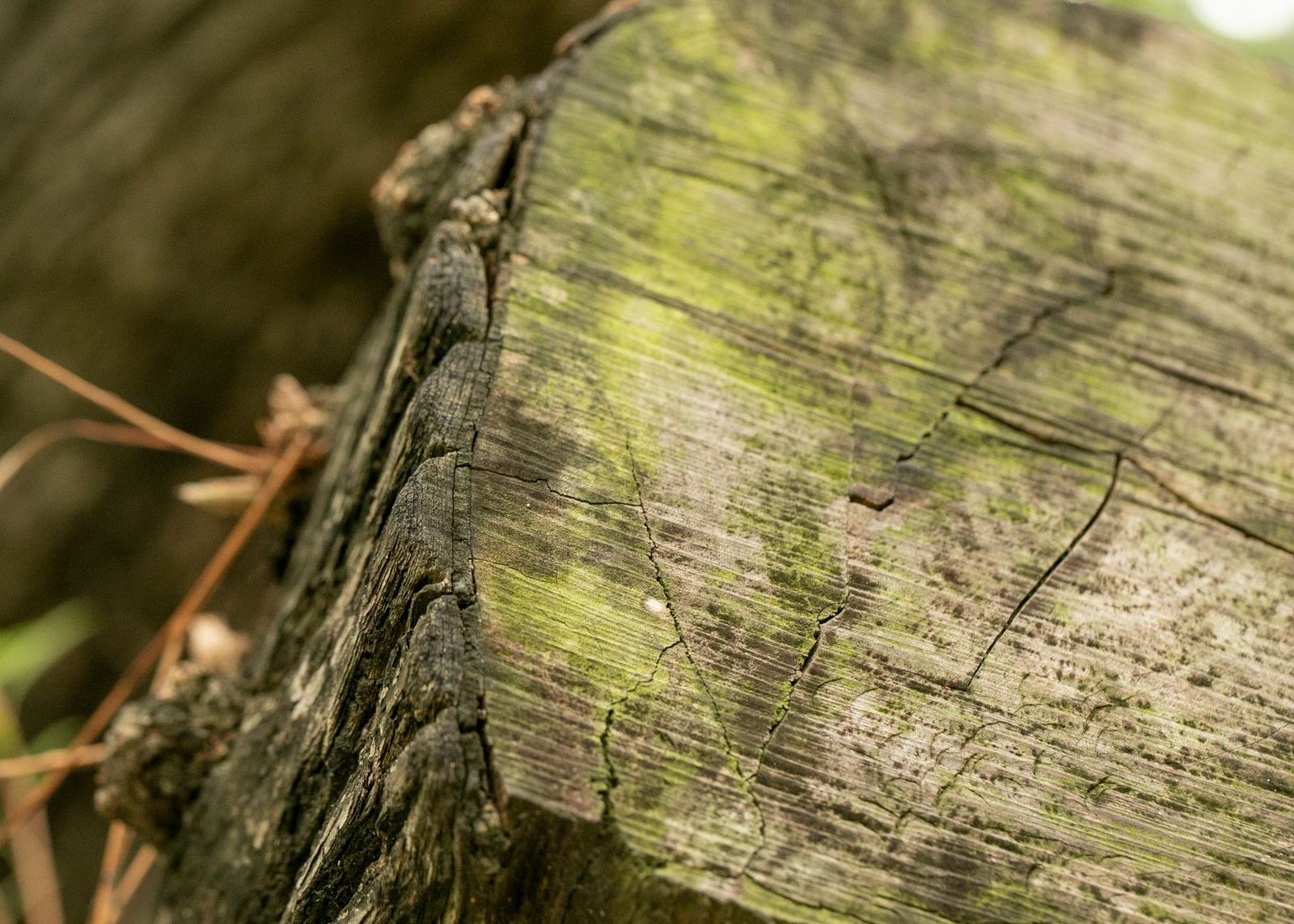
Many stumps in Roseville yards sit right against a side fence, a block wall or the edge of a house, because that is where trees were planted or where seedlings took hold. Most of them can be ground out safely. Here is what decides how close a grinder can get, what you can check before anyone comes out, and when the job needs a different approach.
The plain answer
Yes, in most cases a stump next to a fence or a foundation can be ground. A grinder cuts with a spinning wheel fitted with small teeth, and the operator moves it across the stump a little at a time. That gives a lot of control. A careful operator can grind most of a stump and stop a few inches short of a fence post or a concrete footing.
What is usually left is a thin strip of wood on the side closest to the fence or wall. That strip can often be taken out by hand with an axe, a saw or a mattock once the rest of the stump is gone. In some cases it is better to leave it in place and let it rot, rather than risk damage to a post or a slab. Either way, the stump is no longer a trip hazard, and the spot can be covered with soil or mulch.
What changes the answer on a real property
Access comes first. A grinder needs a path to the stump and enough room to swing its wheel. Side yards between a house and a fence are often narrow, and some have a gate that is smaller than a standard grinder. Smaller machines exist for tight spots, but they work more slowly on large stumps.
The size of the stump matters too. A small stump from an ornamental tree near a fence is a quick job. A large stump that has grown into the fence line, or one whose root flare is pushing against a post, takes more care. Sometimes the trunk has swallowed part of the fence, with wire or boards buried inside the wood. Metal in a stump is hard on grinder teeth and needs to be found before grinding starts.
What sits under and around the stump is the biggest question. Near a house, there may be gas lines, water lines, sewer laterals, electrical runs to a light or a pool pump, and irrigation pipe. Many Roseville homes from the last few decades have drip lines and sprinkler pipe close to fences and foundations. Those are shallow and easy to hit.
Finally, the foundation itself. Most homes in this area sit on a concrete slab or a raised perimeter foundation. Grinding beside a footing does not harm the concrete as long as the wheel does not touch it. The roots are a different matter. Large roots that run under a slab or a footing should not be chased by the grinder.
What you can check yourself
Measure the gap between the stump and the fence or wall, and measure your gate width. Those two numbers tell us a lot about which machine will fit and how close it can get.
Look at where the stump meets the fence. If the wood has grown around a post, wire or boards, take a photo. Check whether the fence is yours or shared with a neighbour, and let them know work is planned if it is shared.
Walk the area and note anything that hints at buried lines: a sprinkler head, a valve box, a hose bib on the nearby wall, a gas meter, an outdoor outlet or a light. Call 811 a few days before any digging or grinding so the utility lines can be marked. Private lines, such as irrigation and lighting you or a past owner added, will not be marked, so it helps to know roughly where they run.
Also look at the foundation for cracks or lifted areas near the stump. If roots have already moved a slab or a walkway, that is useful to know before work starts.
When it needs a professional
A homeowner can rent a small grinder, but stumps beside fences and foundations are where rented machines cause the most damage. The wheel can grab, kick toward a post or throw debris at a window. If the stump is large, sits within a foot or so of the house, has metal grown into it, or sits over lines you cannot locate, it is worth having someone with experience do it.
On a visit, we look at the stump, the access path and the nearby structures. We check for marked utilities and ask about any private lines you know of. We protect windows, siding and fences from flying chips where needed. Then we grind as close as is safe and tell you plainly what is left and why. If the safest choice is to leave a sliver of wood against a post, we will say so rather than risk your fence.
How this relates to our services
Most stumps near fences and foundations are a straightforward Stump Grinding job. We grind the stump down below the surface, then either use the chips to fill the hole or rake them out so you can add soil.
When roots from the stump are lifting a walkway or running along a foundation, Root Grinding can take out the surface roots that are safe to reach. We do not grind roots that run under a slab or footing, because cutting into the soil beside concrete can do more harm than the root. If the tree is still standing and too close to the house, Tree Removal comes first, and the stump can be handled the same day or later.
If you are not sure what you need, send a photo of the stump with the fence or wall in the picture. That is usually enough for us to tell you what is possible in your Roseville yard.
Related questions
It should not if the operator works carefully and stops short of the posts. The usual risk is flying chips hitting boards, which can be reduced with shields or plywood. If the stump has grown into the fence, some boards may need to come off first and go back on afterwards.
Once the stump is ground, the roots of most trees die and slowly rot, so they stop growing. Dead roots do not push on concrete the way living ones can. As large roots rot, the soil above them may settle a little, and you can top that up with soil.
Often within a few inches of the wall or footing, depending on the machine and what is buried nearby. The last bit of wood beside the concrete is sometimes better removed by hand. We will tell you on the visit how close we can safely get.
Talk to your neighbour before any work, since the stump and fence may be partly theirs. Grinding a shared stump is the same job, but it helps if both sides agree on access and on what happens to the fence. We can work from whichever side has better access.
Services
How we can help in Roseville

Stump Grinding
Stumps ground below grade so you can plant, sod or pave over the spot.
Learn more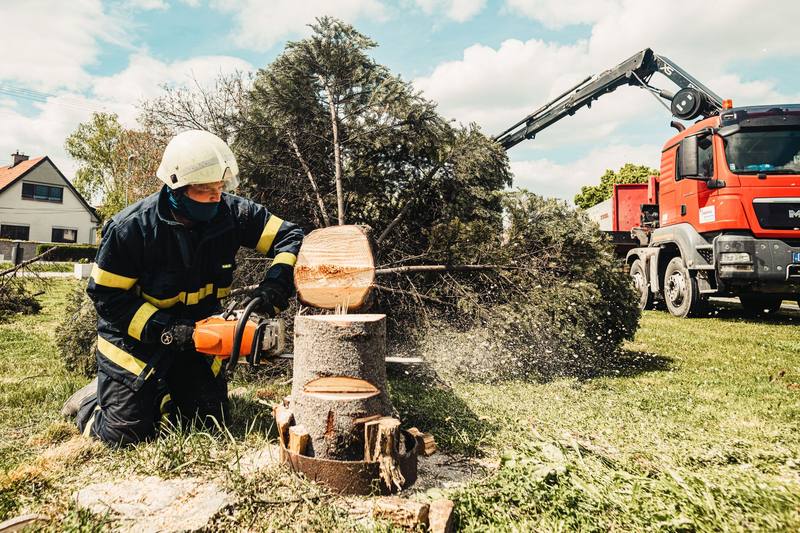
Stump Removal
Full stump and root ball extraction where a new structure, driveway or utility line is going in.
Learn more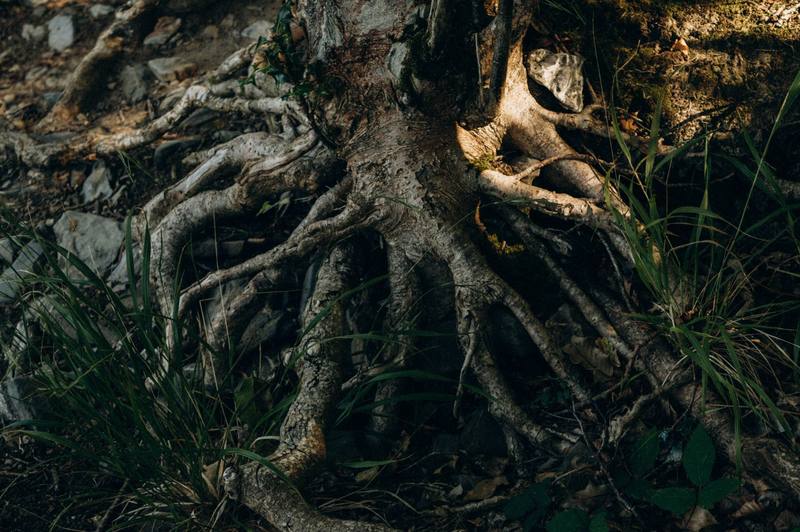
Root Grinding
Surface roots that lift walks, patios and lawns ground down and cleaned up.
Learn more
Tree Removal
Dead, leaning or in-the-way trees taken down in sections and hauled away.
Learn more
Tree Trimming
Crown cleaning, deadwood removal and clearance from roofs and lines.
Learn more
Lot Clearing
Brush, small trees and stumps cleared from lots and fence lines.
Learn more
Oak Stump Removal
Grinding and removal for dense oak stumps and their wide surface roots, in Roseville and the towns nearby.
Learn more
Storm Cleanup
Fallen limbs and uprooted trees cut, cleared and the stumps ground after a storm.
Learn more
Get Started
Send us a photo of the stump
Take a picture with something next to the stump for scale, tell us what you want in that spot, and we will get back to you with a quote. You can also call during business hours.