Can I cut my neighbor's overhanging tree branches in California?
Yes, in most cases you can trim branches that hang over your side, up to the property line, as long as you do not go onto your neighbor's land or harm the tree.
In Roseville we hear this question every summer, usually when a neighbor's tree drops leaves into a pool or a limb starts brushing a roof. California law gives you a fair amount of room here, but it also holds you responsible if the tree is badly hurt. Here is how we would explain it to a neighbor.
The short answer
Under California law, a tree belongs to the owner of the land where the trunk stands. If the trunk is fully on your neighbor's side, the tree is theirs, even the parts that hang over your fence.
California courts have long accepted that you can cut back branches and roots that cross onto your property, up to the property line. You do not need your neighbor's permission to do that. You do have to stay on your own side, and you pay for the work yourself.
There is one big limit. You cannot cut in a way that kills the tree or seriously damages it. California law lets a tree owner recover more than the plain value of a tree that someone else wrongfully harmed, so a careless cut can turn into a costly dispute. Trimming back a few limbs is fine. Cutting so much that the tree becomes lopsided, sick or unstable is not.
What changes the answer on a real property
The general rule is simple, but a few details on a real lot can change what you are allowed to do.
Where the trunk sits matters. If the trunk straddles the property line, the tree belongs to both owners in common. Neither of you should cut it back hard or remove it without the other agreeing.
The type of tree matters, especially here. Roseville and several nearby cities, including Folsom, protect native oaks, and pruning or removing them can need a permit depending on the size of the tree and how much is cut. That applies even when the branches are hanging over your yard. Many older Roseville neighborhoods and lots near open space have large valley oaks, so check before anyone starts cutting.
How much you remove matters. Taking a large share of the canopy from one side, or cutting through big roots close to the trunk, can weaken the whole tree. A tree that falls later because of your cuts can become your problem.
HOA rules and easements can also apply. Some subdivisions have their own tree rules, and trees along greenbelts or streets may sit on city land rather than your neighbor's.
What you can check yourself
Before you trim anything, take a few minutes to work out what you are dealing with. Most of this can be done from your own yard.
Things worth checking:
- Where the trunk is. Use your fence, a survey or your county parcel map to confirm the trunk is fully on the neighbor's side.
- Whether it is an oak. Look at the leaves and acorns. If you are not sure, take a photo of a leaf and ask the city or a tree service.
- How thick the branches are where they cross the line. Small branches are a simple trim. Limbs as thick as your arm or larger need more care.
- What sits under the branches. A limb over open lawn is easy to drop. A limb over a roof, fence, pool or car needs to be lowered in sections.
- Whether any wires run through or near the branches, including the line from the pole to either house.
- Signs of decay: dead wood, cracks where the limb meets the trunk, fungus or hollow spots.
Talk to your neighbor first
You may not need permission, but a short conversation almost always helps. Let your neighbor know which branches bother you and how far back you plan to cut. Many people are glad to have it done, and some will offer to share the cost or let you work from their side, which gives a cleaner cut.
Ask before you throw the cut branches back over the fence. The branches came from their tree, but you made the cut, and dumping debris on their side is a common way for a small trim to become a real argument. In most cases it is simplest to deal with the cut wood on your side.
If you cannot reach an agreement, put your plan in writing, keep the cuts modest and stay on your side of the line.
When it needs a professional
Small branches you can reach from the ground with a pole pruner are often a homeowner job. Once the work needs a ladder, a chainsaw above shoulder height or cuts over a roof, it is safer to call a tree service.
A professional also helps when the tree is an oak or the branches are large. Good pruning cuts are made just outside the branch collar, not flush with the trunk and not leaving a long stub. Cuts made that way heal better and are much easier to defend if your neighbor later worries the tree was harmed.
Never cut near power lines yourself. If branches touch or hang over a line, call the electric utility first.
When we come out, we look at the tree from your side, check what is below the branches and where the property line runs, and explain what we would cut and why. You get a clear quote before any work starts.
How this fits with the work we do
Cutting back branches that cross a fence line is part of our Tree Trimming service. We trim back to the line, lower limbs over roofs and fences with ropes, and keep cuts on oaks conservative. If an oak permit might apply, we talk through it with you before we start.
Sometimes the overhanging limbs are a sign of a bigger problem, like a dead or leaning tree. If the tree owner decides to take it down, our Tree Removal service covers that, and we can grind the stump afterward so the ground is usable again.
We work Monday to Friday, 7:00 AM to 7:00 PM, and Saturday, 8:00 AM to 5:00 PM, across Roseville and nearby cities such as Rocklin, Granite Bay and Citrus Heights.
Related questions
Generally yes, up to the property line, under the same rule as branches. Be careful with large roots close to the trunk, since cutting them can make the tree unstable or kill it. If the roots are thick, have a tree service look before you cut.
If you choose to trim branches over your side, you normally pay for it. Your neighbor may agree to share the cost, so it is worth asking. If a branch is dead or dangerous and the owner knew about it, the situation can be different, so talk it through with them.
You may. Roseville protects native oaks, and pruning or removal can need a permit depending on the tree's size and how much is cut. Check with the city before any work, or ask us and we will talk through it with you.
It is better not to. Even though the branches came from their tree, dumping them on their property often causes disputes. Plan to deal with the cut wood on your side unless your neighbor agrees to something else.
If a healthy tree falls in a storm, the cleanup is usually handled through your own homeowner's insurance. If the tree was clearly dead or damaged and the owner ignored it, they may be responsible. Either way, take photos before anything is moved, and stay clear of any lines.
Services
How we can help in Roseville
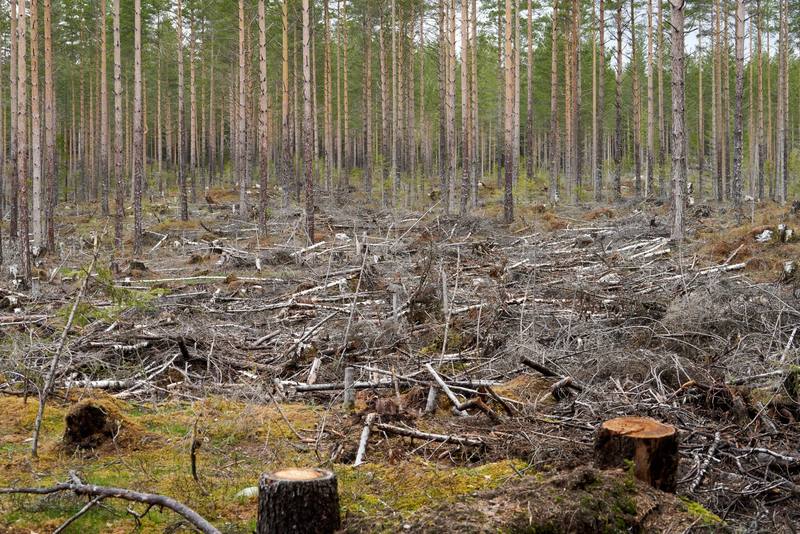
Stump Grinding
Stumps ground below grade so you can plant, sod or pave over the spot.
Learn more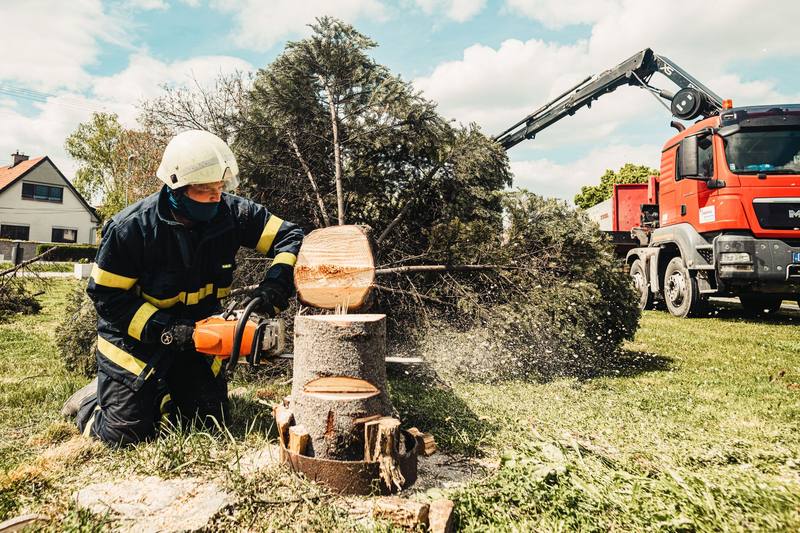
Stump Removal
Full stump and root ball extraction where a new structure, driveway or utility line is going in.
Learn more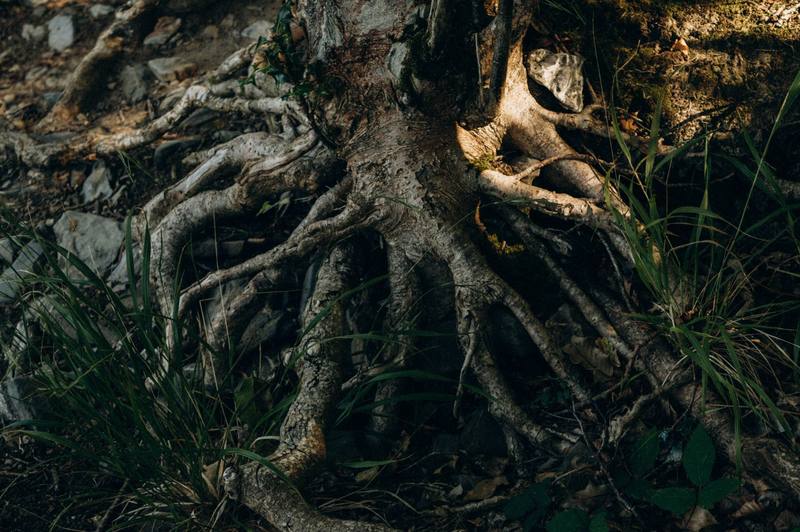
Root Grinding
Surface roots that lift walks, patios and lawns ground down and cleaned up.
Learn more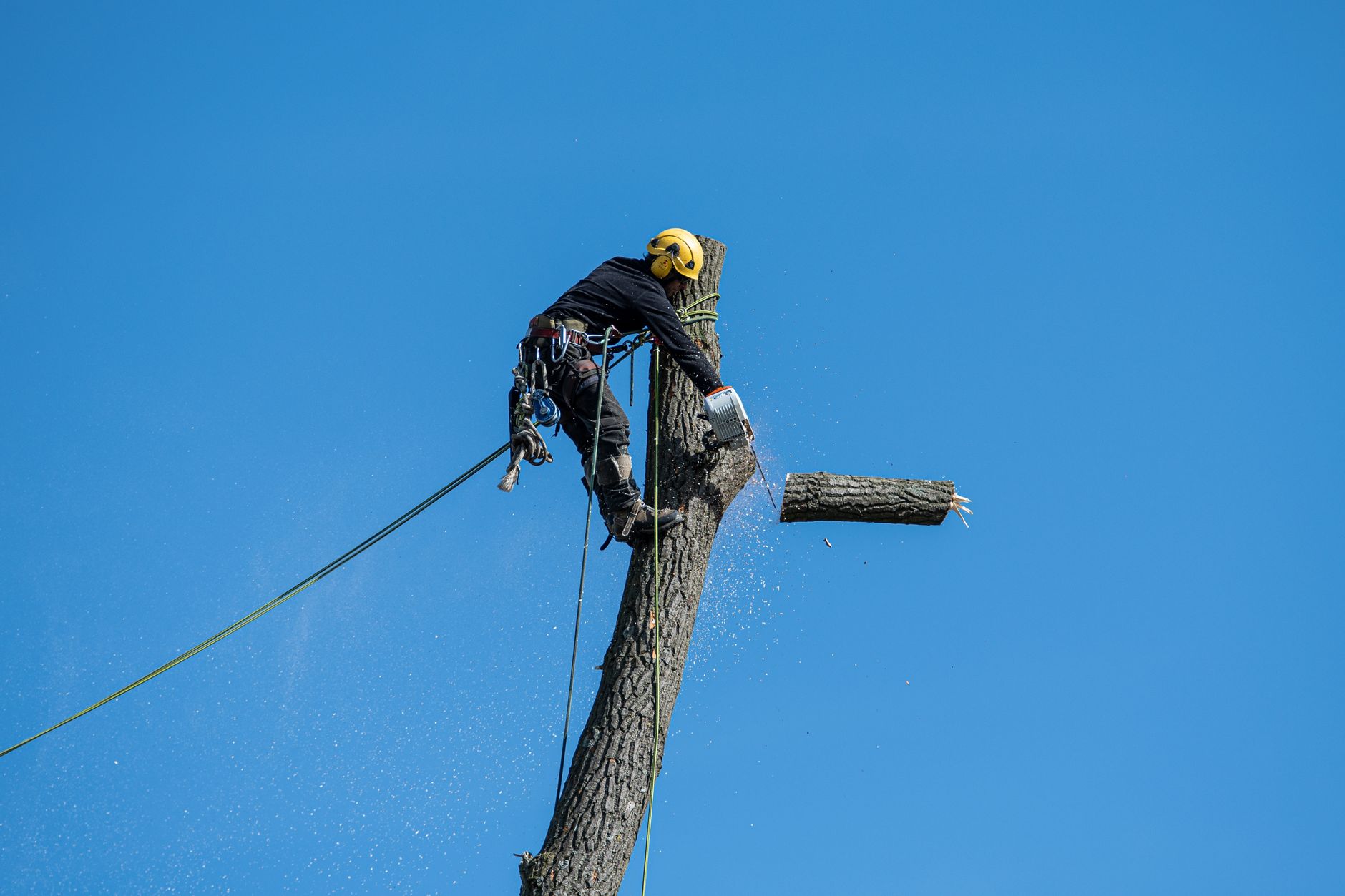
Tree Removal
Dead, leaning or in-the-way trees taken down in sections and hauled away.
Learn more
Tree Trimming
Crown cleaning, deadwood removal and clearance from roofs and lines.
Learn more
Lot Clearing
Brush, small trees and stumps cleared from lots and fence lines.
Learn more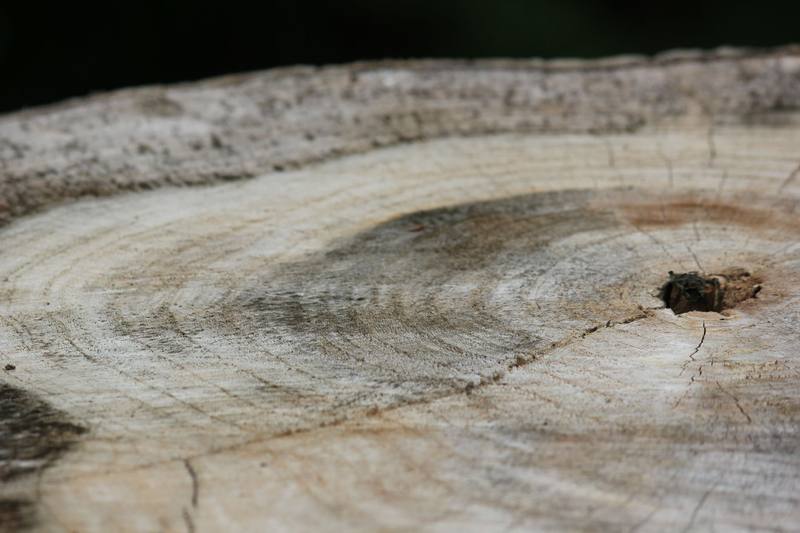
Oak Stump Removal
Grinding and removal for dense oak stumps and their wide surface roots, in Roseville and the towns nearby.
Learn more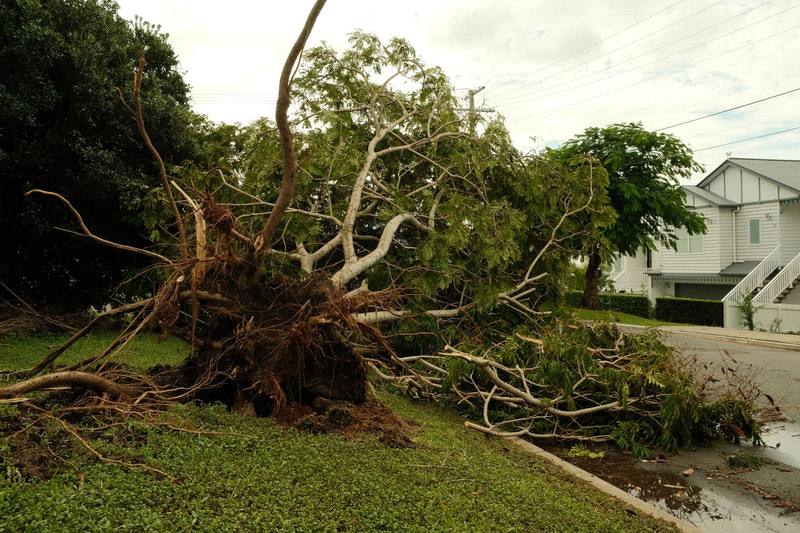
Storm Cleanup
Fallen limbs and uprooted trees cut, cleared and the stumps ground after a storm.
Learn more
Get Started
Send us a photo of the stump
Take a picture with something next to the stump for scale, tell us what you want in that spot, and we will get back to you with a quote. You can also call during business hours.