Shrub & Hedge Removal in Roseville, CA
We cut out overgrown shrubs and hedges and take the root balls with them, so your beds are clear for a new planting plan.
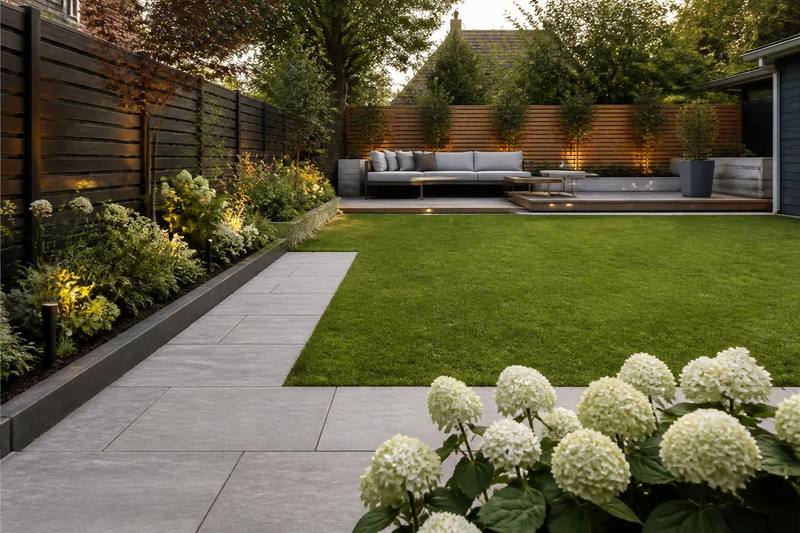
Shrub and hedge removal means taking out overgrown bushes, privacy hedges and foundation plantings, roots included, so the ground is ready for something new. It is for Roseville homeowners redoing a front yard, a side strip or a back border who want the old plants gone for good. It is one part of our [lot clearing](/services/lot-clearing/) work, and we do it with the same equipment we use for stumps.
What shrub and hedge removal covers
A shrub is a woody plant with several stems and no single trunk. That is why it cannot simply be cut off at the ground. The crown and the roots sit under the soil and will send up new shoots unless they come out or are ground down. Removal means the top growth, the crown and as much of the root ball as the new landscape needs removed.
Most jobs fall into a few types. The tools differ for each, so it helps to know which one you have.
- Foundation shrubs such as boxwood, juniper, photinia and azalea that have grown past the windowsills
- Long privacy hedges along a fence line, often laurel, privet or arborvitae
- Overgrown ornamentals like oleander, pyracantha and rose bushes with thick, thorny canes
- Dead or half-dead plants left behind by a bad summer or a root problem
How a shrub or hedge removal goes, step by step
We start by walking the planting with you and marking what comes out and what stays. A hedge often shares a bed with irrigation lines, so we ask where the drip tubing or sprinkler heads run before any digging starts.
Cutting back and clearing the top growth
We cut the stems down in sections with loppers, pole saws and chainsaws, depending on thickness. Thorny or dense material is bundled as it comes down. Branches go through a chipper where access allows, and the chips can stay with you as mulch or leave with us.
Pulling or digging the root ball
Smaller shrubs usually come out with a mattock, a digging bar and a chain or strap pulled from a truck or small machine. The root ball of a mature shrub can be wide and heavy, so we dig around it first and cut the larger roots before lifting. This leaves a clean hole instead of a torn bed.
Grinding the woody base
Old hedges often have a thick, hard base that will not pull. We grind that base below the soil line with a stump grinder, which is the same method used for a tree stump. Grinding removes the part that would otherwise resprout or rot slowly under new plants.
Filling and levelling the hole
Once the root mass is out, we backfill with the loose soil and chips from grinding and rake the area level. If you plan to plant in the same spot, tell us. We can leave the hole open so you can amend the soil first.
Signs an overgrown shrub or hedge should come out
Trimming fixes a plant that is the wrong size. It does not fix a plant that is in the wrong place or in poor health. A few symptoms tell you cutting back is no longer enough.
Bare woody centre with growth only at the tips
Many hedges and old shrubs produce leaves only at the outer edge. Cut them back hard and they stay bare, because the inner wood has stopped budding. Replacing the plant is better than waiting for it to recover.
Roots near the foundation, pipes or paving
A large shrub planted tight to a wall can push against stucco, lift edging and work into a drain line. If you see cracks, lifted pavers or slow drains near a big planting, the root system is the likely cause and the plant should go.
Dead branches, rot and pests
Brittle grey stems, bark that peels away from soft wood and fungus at the base all point to a plant that will not come back. Leaving it risks spreading disease to healthy neighbours in the same hedge.
Dealing with the root ball and what it leaves behind
The root ball is the reason shrub removal is harder than it looks. Cut stems alone leave a living crown that sprouts again within a season, which is why we do not offer a cut-only removal when you want the plant gone.
Some plants, such as bamboo-type growers, sumac and certain privets, spread by underground runners. For these we follow the runners through the bed and remove what we find. A few thin pieces can remain, so watch the area for small shoots and pull them early. If you want the ground perfectly clear for a hardscape or a pad, say so before we begin, because that calls for deeper digging instead of grinding.
Removing shrubs and hedges in Roseville yards
Roseville has a hot-summer Mediterranean climate, with a dry season that runs from June to October and a wet season from October to April. That pattern affects timing. Dry ground in late summer is hard and packed, so digging a root ball takes more effort, while wet winter soil comes apart more easily but can leave ruts if machines cross the lawn. We choose equipment and routes to suit the soil on the day.
Much of the housing here was built during the rapid growth the city saw from the 1980s onward, and many of those lots have foundation shrubs and fence-line hedges that are now decades old. Plantings that were sized for a young yard have often grown into the eaves and the fence. Newer tract lots tend to have narrow side yards, so we plan for hand removal and wheelbarrows when a machine will not fit through the gate.
Planning removal before a landscape redo
Do the removal before the design work is final. Once the old plants are out you can see the true grade, the irrigation layout and how much sun the bed actually gets. Ask your landscaper whether they want the soil left loose or compacted, and tell us so the finish suits their plan.
If the same property also has fire-hazard brush or vegetation near the house, our defensible space clearing work covers that. If you are clearing a lot ahead of building, new construction site clearing is the better fit. For a single bed or hedge, the job described here is all you need, and you can call Roseville Stump Grinding at (279) 529-0050 for a quote.
FAQ
Common questions about shrub & hedge removal
We remove the root ball, or grind the woody base below the soil line when it will not pull. Cutting stems alone leaves a living crown that sprouts again. If you only want a plant cut back for now, tell us and we will quote it that way.
Yes. We work along the hedge in sections, cutting, chipping and then digging or grinding the base of each plant. We take care near the fence posts, and we ask about irrigation lines before digging so they are not cut.
Yes, we can haul everything off. Branches can also go through the chipper, and you can keep the chips for mulch if you want them. Tell us which you prefer when you book.
Often you can, but the soil is usually worn out and full of old root fragments. We can leave the hole open so you can add fresh soil. Replanting the same species in the same hole can bring back disease, so ask your landscaper first.
Not always. We need to agree on what comes out before we start, and we need access to the yard. If the gate is locked or there are pets in the yard, arrange that ahead of time.
Yes, using hand tools and small machines. Plants tight against a foundation or stucco wall are cut and dug carefully so the surface is not damaged. We look at the spot first and tell you if anything about it needs a different approach.

Get a quote
Get a stump grinding quote in Roseville
Send us a photo of the stump or tree with something for scale and tell us what you want in the spot afterwards. We will reply with a quote and any questions about access. Call (279) 529-0050 or email info@stumpgrindingroseville.com.